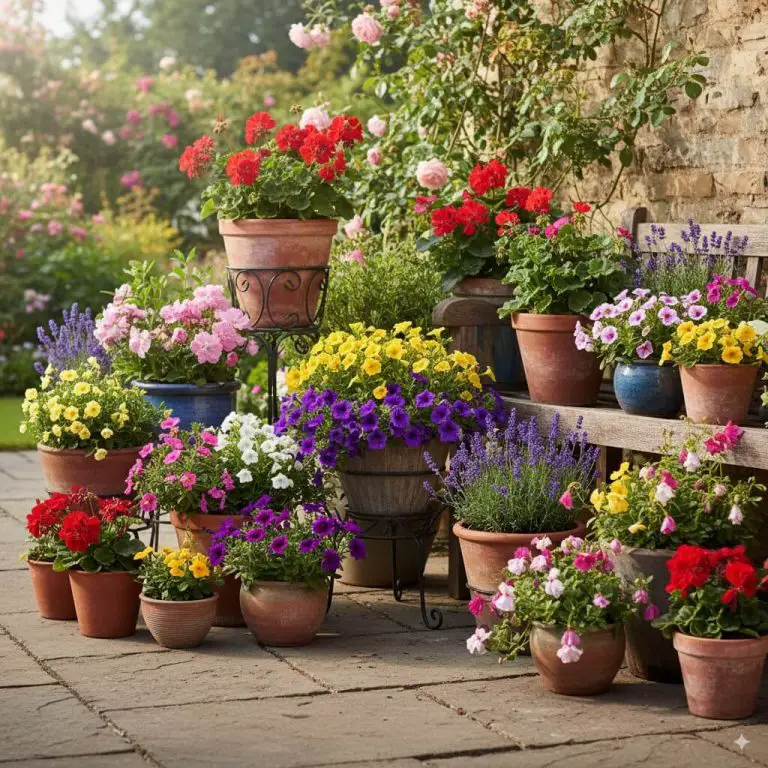
Periwinkle Plant Care – Achieve A Lush Flowering Groundcover
Have you ever looked at a bare, shaded patch of your garden and wished for a vibrant, flowering carpet to fill the space? I know how frustrating it can be to find plants that actually thrive in those tricky spots without demanding hours of your time. Many gardeners struggle with patchy groundcover, but I have found that mastering periwinkle plant care is the ultimate solution for a beautiful, low-maintenance landscape.
In this guide, I will share the exact steps I use to keep these hardy vines looking their best year-round. You will learn everything from selecting the right variety to troubleshooting common growth issues. By the end of this article, you will have the confidence to transform your outdoor space into a sea of violet and green.
We will cover soil preparation, light requirements, and the secret to getting the most blooms out of your plants. Whether you are dealing with a steep slope or a shaded corner, these tips will help you succeed. Let’s dive into the world of Vinca and get your garden growing!
Understanding the Different Types of Periwinkle
Before we dig into the dirt, it is important to know that “periwinkle” can refer to a few different plants. Most gardeners are looking for the perennial groundcover known as Vinca minor or Vinca major. These are the hardy, trailing vines that provide that classic evergreen look.
Vinca minor, often called Lesser Periwinkle or Creeping Myrtle, is the most common choice for home gardens. It has small, dark green leaves and delicate blue or purple flowers. It is incredibly hardy and stays compact, making it perfect for filling in gaps between larger shrubs.
On the other hand, Vinca major is a bit more aggressive with larger leaves and flowers. It works wonders for large-scale erosion control on hillsides. However, you should be careful with this variety in smaller gardens, as it can quickly spread beyond its intended borders.
The Madagascar Periwinkle Exception
You might also see a plant labeled “Periwinkle” that looks more like a bushy bedding plant with pink or white flowers. This is Catharanthus roseus, or Madagascar Periwinkle. Unlike the trailing perennial Vinca, this variety is usually grown as an annual in most climates.
It loves the heat and full sun, which is the opposite of what the trailing varieties prefer. If you want summer-long color in containers or front-row borders, this is the plant for you. Just remember that its care requirements differ significantly from the creeping groundcovers we are focusing on today.
Mastering periwinkle plant care for Every Garden Season
When it comes to periwinkle plant care, the most important thing to remember is that these plants are incredibly resilient. They are often described as “plant it and forget it,” but a little bit of attention goes a long way. Proper care ensures they form a dense mat that naturally suppresses weeds.
The first step to success is choosing the right location. While they are famous for growing in the shade, they actually produce the best flowers when they receive a bit of dappled sunlight. Think of them as the perfect residents for the “filtered light” areas under your favorite deciduous trees.
Once established, these plants are remarkably drought-tolerant. However, during their first growing season, they need consistent moisture to develop a strong root system. I always tell my friends to keep the soil moist but never soggy, as root rot can be a silent killer for young vines.
Establishing Your New Groundcover
When planting, space your starts about 6 to 12 inches apart. This might look a bit sparse at first, but don’t worry—they fill in fast! If you want a “carpet” effect sooner, you can space them closer together, but be prepared to thin them out later if they become too crowded.
I recommend adding a light layer of mulch around the new plants. This helps retain moisture and keeps the soil temperature stable while the runners begin to spread. Within a season or two, the foliage will be so thick that mulch will no longer be necessary.
The Best Soil and Light Conditions for Vinca
Periwinkles are not particularly picky, but they do have a “happy place.” They prefer soil that is rich in organic matter and has excellent drainage. If your garden has heavy clay, I suggest mixing in some compost or peat moss before planting to improve the texture.
The ideal soil pH for these plants is slightly acidic to neutral (6.0 to 7.0). If you aren’t sure about your soil’s pH, a simple home test kit can provide the answers. Most garden soils fall within this range naturally, so you likely won’t need to make many adjustments.
Balancing Sun and Shade
One of the most common questions I get is, “Can periwinkle grow in full sun?” The answer is yes, but with a caveat. In cooler climates, they can handle the sun if the soil stays moist. In hotter regions, the leaves may scorch and turn yellow if they don’t have afternoon shade.
Deep shade is also an option, but you will notice fewer flowers. The foliage will still be a beautiful, lush green, but the blooming period will be shorter and less intense. For the best of both worlds, aim for a spot that gets 3-4 hours of morning sun followed by afternoon shade.
Watering and Fertilizing for Maximum Blooms
Watering is a critical part of periwinkle plant care, especially during the hot summer months. While mature plants can survive dry spells, they will look much more vibrant with a deep watering once a week. Aim the water at the base of the plants rather than over the leaves to prevent fungal issues.
If you notice the leaves starting to curl or lose their shine, that is a clear signal from the plant that it is thirsty. I like to use a soaker hose for large patches of groundcover. It delivers water directly to the roots and keeps the foliage dry, which is a pro-level tip for maintaining plant health.
Do You Need to Fertilize?
In most cases, periwinkles don’t need much fertilizer. If your soil is already healthy, they will find all the nutrients they need. However, if you want to encourage faster spreading or more flowers, you can apply a balanced, slow-release fertilizer in early spring.
Avoid high-nitrogen fertilizers, as these will promote lots of leafy growth at the expense of those beautiful blue flowers. A simple 10-10-10 formula is usually more than enough. Always water the plants well after fertilizing to help the nutrients reach the root zone and prevent fertilizer burn.
Pruning and Propagation: Expanding Your Garden
One of the best things about periwinkle is how easy it is to share with friends or move to other parts of your yard. Success with periwinkle plant care depends on keeping the growth manageable. If the vines start to climb up your trees or overstep their bounds, don’t be afraid to give them a haircut.
The best time to prune is in the early spring before new growth begins. You can use a pair of garden shears or even a lawnmower on a high setting for very large areas. This removes any winter-damaged foliage and encourages the plant to send out fresh, vigorous new runners.
Simple Propagation Techniques
Propagating Vinca is incredibly simple because the plant does most of the work for you. As the stems trail along the ground, they naturally grow roots at the nodes (the spots where leaves emerge). This is called “layering.”
- Identify a stem that has already started to grow roots into the soil.
- Carefully snip the stem away from the “mother” plant.
- Dig up the small rooted section, ensuring you keep the root ball intact.
- Replant it in a new location and keep it well-watered for a few weeks.
You can also take stem cuttings and root them in a glass of water or a pot of moist potting mix. It is a very rewarding project for beginners because the success rate is so high. Before you know it, you’ll have enough plants to cover your entire neighborhood!
Managing Common Pests and Diseases
Periwinkles are generally very tough, but they aren’t completely invincible. The most common issue you might encounter is fungal leaf spot or stem blight. This usually happens in very humid environments or when the plants are overcrowded and lack airflow.
If you see dark spots on the leaves or stems that appear to be wilting and turning black, you likely have a fungal problem. The best solution is to prune away the affected areas and dispose of them in the trash—never in your compost pile! Improving airflow by thinning the plants can also help prevent future outbreaks.
Keeping Pests at Bay
Pests are rarely a major problem for Vinca, but keep an eye out for aphids or scale insects. These tiny sap-suckers can occasionally target new growth. A quick blast with a garden hose or an application of neem oil is usually enough to take care of the problem.
Interestingly, periwinkle is highly resistant to deer and rabbits. The leaves contain a milky sap that tastes bitter to most garden critters. If you live in an area where deer treat your garden like a buffet, periwinkle is a fantastic, “safe” choice for your landscape.
Safety Considerations and Invasiveness
While we love periwinkle for its hardiness, that same trait can make it a bit of a bully in some regions. In certain parts of North America, Vinca major and Vinca minor are considered invasive because they can escape into local woodlands and outcompete native wildflowers.
I always recommend checking with your local extension office or a native plant society before planting large amounts. If you live near a natural forest or a sensitive ecosystem, consider using a physical barrier, like a plastic garden edge, to keep your periwinkle contained within your flower beds.
Toxicity Warning
It is also important to note that all parts of the periwinkle plant are toxic if ingested. They contain alkaloids that can cause stomach upset, low blood pressure, and other issues for pets and humans. If you have curious dogs or small children, make sure they know not to snack on your groundcover.
Always wear gloves when doing heavy pruning if you have sensitive skin, as the sap can sometimes cause mild irritation. Most gardeners find it perfectly safe to handle, but it’s always better to be cautious when working with ornamental plants that have chemical defenses.
Frequently Asked Questions About periwinkle plant care
How fast does periwinkle spread?
In ideal conditions, periwinkle can spread about 1 to 2 feet per year. It spreads via long trailing runners that root as they go. While it isn’t as fast as some ivy varieties, it provides a much denser and more attractive cover once it fills in.
Why is my periwinkle not blooming?
The most common reason for a lack of blooms is too much shade. While the plant will grow in the dark, it needs a little sunlight to trigger flower production. Another possibility is an excess of nitrogen in the soil, which favors leaves over flowers.
Can periwinkle survive winter?
Yes! Vinca minor is hardy down to Zone 4, meaning it can survive very cold temperatures. The leaves are evergreen, so they will stay green even under the snow. In extremely harsh winters, some leaves might turn brown, but the plant will bounce back in the spring.
Is periwinkle the same as Myrtle?
In many regions, yes. “Creeping Myrtle” is a very common nickname for Vinca minor. However, it is not related to the true Myrtle tree (Myrtus communis). If you are buying plants, it is always best to check the scientific name to ensure you are getting exactly what you want.
Conclusion
Growing a beautiful garden doesn’t have to be a constant struggle against the elements. By implementing these periwinkle plant care strategies, you can enjoy a lush, evergreen carpet that brings color and life to the most difficult corners of your yard. Remember to prioritize well-draining soil and a bit of dappled light for the best results.
Whether you are using it to stop erosion on a hill or simply to add some charm to a shaded walkway, periwinkle is a reliable friend to any gardener. Don’t be afraid to prune it back or share cuttings with your neighbors. Gardening is all about the joy of growing, and few plants make that joy as accessible as the humble Vinca.
Now that you have the knowledge, it’s time to get your hands in the dirt! Head to your local nursery, pick out a few healthy pots of periwinkle, and start your transformation today. We would love to hear about your progress, so keep us posted on your confidence in your periwinkle plant care journey. Happy gardening!

- How Much Sun Do Petunias Need – For A Vibrant, Non-Stop Floral - September 15, 2026
- Do Petunias Like Full Sun Or Shade – Unlocking Your Best Summer Blooms - September 15, 2026
- Best Petunias For Shade – Choosing The Right Blooms For Dim Corners - September 15, 2026