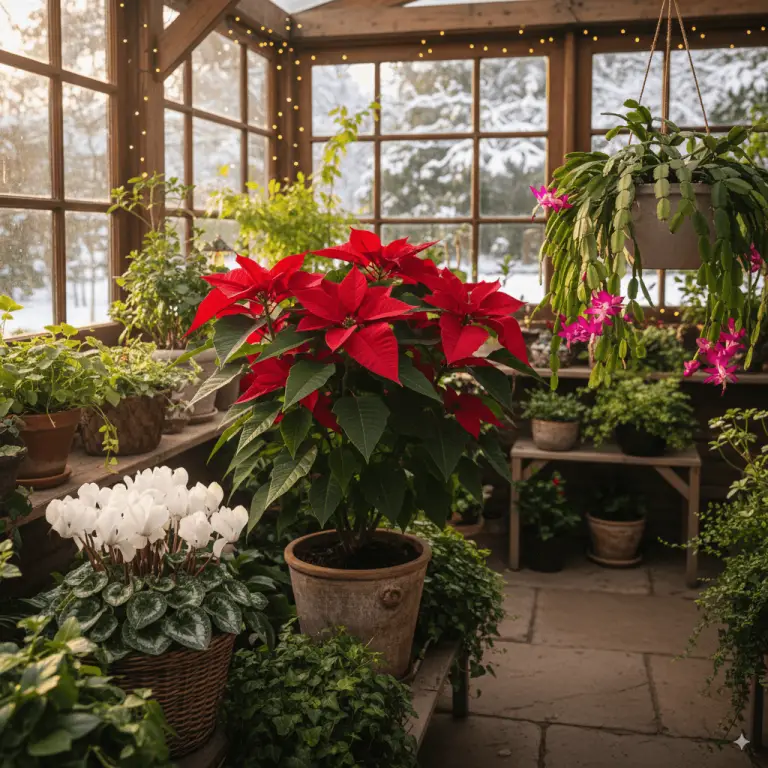
Periwinkle Flower Colors – A Visual Guide To Selecting The Perfect
Do you ever feel like your garden is missing that perfect, low-maintenance splash of color to tie everything together? Many gardeners struggle to find groundcovers that are both hardy and visually stunning throughout the growing season.
I promise that once you understand the diverse range of periwinkle flower colors, you will be able to transform those tricky, shaded spots into a vibrant tapestry. This guide will walk you through the various hues available, from classic blues to striking whites and deep wines.
We are going to explore the best varieties for your specific hardiness zone, how to pair these colors with your existing plants, and the “pro” secrets to keeping those blooms looking fresh. Don’t worry—these flowers are perfect for beginners, and I am here to help you every step of the way!
Understanding the Diversity of Periwinkle Flower Colors
When most people think of periwinkle, they immediately picture a soft, dusty blue. However, the world of periwinkle flower colors is surprisingly broad, encompassing everything from snowy whites to rich, royal purples and even bicolors.
In the gardening world, we primarily deal with two types of “Periwinkle”: Vinca minor (the creeping variety) and Catharanthus roseus (the upright Madagascar periwinkle). While they share a name, their color palettes and growth habits offer different benefits for your landscape design.
The Vinca minor varieties typically lean toward the cool end of the spectrum. You will find them in shades of lavender, sky blue, and violet. These are the workhorses of the shade garden, providing a reliable carpet of color in early spring.
On the other hand, the Madagascar periwinkle brings a tropical flair. These plants offer hot pinks, bright reds, and even peach tones. Understanding which “periwinkle” you are buying is the first step to achieving your desired aesthetic goals.
The Classic Periwinkle Blue
The most iconic shade is, of course, the blue-violet hue that actually gave the color “periwinkle” its name. This color is incredibly versatile because it acts as a neutral in the garden, bridging the gap between harsher reds and yellows.
If you want a classic look, I highly recommend the ‘Bowles’s Variety’. It produces large, azure-blue flowers that stand out beautifully against its glossy green foliage. It is a personal favorite of mine for under-planting beneath deciduous trees.
The Elegance of White Periwinkles
White periwinkles, often labeled as ‘Alba’ or ‘White Droplet’, are essential for “moon gardens.” These flowers seem to glow in the twilight, making them perfect for areas where you relax in the evening.
White blooms provide a crisp, clean contrast to dark green mulch or shaded corners. They also help to break up large patches of solid color, preventing your garden beds from looking too heavy or monochromatic.
Exploring the Full Spectrum of Periwinkle Flower Colors
Beyond the basics, there are several unique periwinkle flower colors that can add a sophisticated touch to your outdoor space. Breeders have worked hard to expand the palette, giving us options that were unavailable just a few decades ago.
One of the most striking variations is the deep burgundy or wine-colored Vinca. Varieties like ‘Atropurpurea’ offer a moody, sophisticated vibe. These look spectacular when paired with chartreuse-colored hostas or gold-variegated ferns.
If you are looking for something truly unique, keep an eye out for “double” flowers. These varieties have extra petals, giving the bloom a ruffled, rose-like appearance. While the colors remain in the blue-purple range, the texture adds a whole new dimension to the plant.
Warm Tones in Madagascar Periwinkle
If you are working with full sun and want warmer periwinkle flower colors, Catharanthus roseus is your best friend. These annuals (in most zones) come in “Cora” and “Titan” series, which are famous for their disease resistance and bold pigments.
You can find these in “Polka Dot” varieties, which feature a white petal with a bright red “eye” in the center. These “eyes” create a focal point within each individual flower, drawing the viewer’s gaze and making the plant appear more vibrant from a distance.
The Impact of Foliage on Color Perception
Don’t forget that the leaves play a massive role in how we perceive periwinkle flower colors. Variegated varieties, such as ‘Illumination’, feature bright yellow centers on the leaves with green margins.
When a blue flower sits against a yellow leaf, the color “pops” much more than it would against standard green. This is a great trick for brightening up a dark corner without needing extra lighting or high-maintenance plants.
How to Select the Right Color for Your Garden Style
Choosing between different periwinkle flower colors often comes down to the mood you want to create. Gardening is a form of art, and your plants are your pigments. Think about the existing structures and plants in your yard.
For a cottage garden look, I suggest mixing blues, whites, and lavenders. This creates a soft, romantic feel that looks natural and unforced. It mimics the look of a woodland clearing and feels very peaceful.
If your home has a modern or minimalist design, stick to a single color. A massive drift of pure white periwinkle against a dark grey stone wall is incredibly striking. It creates a clean, intentional look that requires very little effort to maintain.
Matching Colors with Hardscape Materials
Consider the color of your pavers or mulch. If you have red brick paths, blue periwinkles provide a stunning complementary contrast. The orange tones in the brick make the blue of the flowers look even more intense.
For grey stone or concrete, the deeper purples and burgundies provide a sense of luxury and depth. If you use dark wood chips or cocoa hulls, the white and light pink varieties will stand out the most, ensuring your groundcover doesn’t get “lost” in the shadows.
Using Color to Create Depth
A pro tip I often share with my clients is to use darker periwinkle flower colors in the back of a bed and lighter colors in the front. This creates an optical illusion that makes the garden bed appear deeper than it actually is.
Light colors, especially whites and pale pinks, tend to “advance” toward the eye. Darker blues and purples tend to “recede.” By placing the dark colors at the furthest point, you add a sense of mystery and scale to your landscape.
Planting and Care for Maximum Color Saturation
To ensure your periwinkle flower colors stay vivid and don’t fade, you need to provide the right environment. While Vinca is known for being “tough as nails,” a little extra care goes a long way in bloom production.
Light is the most important factor. In too much deep shade, the plants will grow fine, but they won’t produce many flowers. Ideally, you want “dappled” sunlight—the kind that filters through the canopy of a large tree.
If you are growing the sun-loving Madagascar periwinkle, they need at least six hours of direct light. Without enough sun, the pigmentation in the petals will look washed out and dull. Always check the tag at the nursery to ensure you have the right species for your light levels.
Soil Quality and Its Effect on Blooms
Periwinkles aren’t overly picky about soil, but they do hate “wet feet.” If the soil stays soggy, the roots will rot, and the first sign is usually yellowing leaves and dropping flowers. Ensure your soil is well-draining by adding compost or organic matter.
A neutral to slightly acidic pH is ideal. If your soil is too alkaline, the plant might struggle to take up iron, leading to chlorosis. This makes the leaves turn yellow while the veins stay green, which distracts from the beautiful flower colors.
Safe Handling and Pruning Tips
When working with Vinca, it is important to remember that all parts of the plant are toxic if ingested by pets or humans. Always wear gloves if you have sensitive skin, as the sap can sometimes cause mild irritation.
To keep the colors coming, don’t be afraid to shear the plants back in late winter or early spring. This encourages a flush of new, healthy growth. New growth is always more productive when it comes to flowering than old, woody stems.
- Step 1: Inspect your patch in early March for any winter die-back.
- Step 2: Use sharp, sanitized shears to cut the vines back by about one-third.
- Step 3: Apply a balanced, slow-release fertilizer to fuel the spring bloom.
- Step 4: Clear away any fallen leaves that might be smothering the crown of the plant.
Common Challenges with Periwinkle Blooms
Even the best gardeners run into trouble occasionally. If your periwinkle flower colors aren’t as bright as they used to be, or if the plants aren’t blooming at all, there are usually a few common culprits.
The most frequent issue is “Vinca Wilt,” a fungal disease that can cause entire sections of the plant to die back. This often happens in humid climates with poor air circulation. To prevent this, avoid overhead watering and try to space your plants so air can move between them.
Another issue is “Legginess.” If the vines get too long and sparse, the flowers will be few and far between. Regular trimming encourages the plant to branch out, creating a denser mat of foliage and more sites for flowers to develop.
Dealing with Pests
Aphids and scale insects occasionally target periwinkle. These pests suck the sap from the stems, weakening the plant and reducing its ability to produce vibrant blooms. You can usually knock them off with a strong stream of water from the hose.
For more persistent infestations, use a mild insecticidal soap. Always apply these treatments in the late evening when pollinators like bees are less active. This protects the beneficial insects that help your garden thrive.
When to Call in the Experts
If you notice widespread blackening of stems or if large patches of your groundcover die overnight, it might be a soil-borne pathogen. In these cases, it is best to consult with a local horticultural extension office or a professional landscaper.
They can test your soil and tell you if it is safe to replant or if you need to treat the area. Don’t get discouraged—even seasoned pros deal with soil issues! Sometimes a simple adjustment to your drainage is all it takes to get back on track.
Frequently Asked Questions About Periwinkle Flower Colors
What is the most common color for periwinkle flowers?
The most common color is a lavender-blue hue. This specific shade is so unique that it was eventually named “Periwinkle” in the English language. It is the hallmark of the Vinca minor species found in many traditional gardens.
Do periwinkle flower colors fade in the sun?
Yes, some of the darker purple and blue varieties of Vinca minor can fade to a duller grey-lavender if they receive too much direct, afternoon sun. Conversely, Madagascar periwinkles are bred to withstand intense sun without losing their vibrancy.
Can I change the color of my periwinkles by changing the soil pH?
Unlike Hydrangeas, periwinkle flower colors are genetically determined and do not change based on soil acidity. If you want a different color, you will need to plant a specific cultivar that naturally produces that hue.
Are there any bicolor periwinkle varieties?
Absolutely! Many Catharanthus roseus varieties feature a contrasting “eye” in the center. There are also variegated Vinca varieties where the foliage is two-toned, which creates a bicolor effect for the plant as a whole.
Which periwinkle flower colors are the most sun-tolerant?
If you have a very sunny spot, go for the Madagascar periwinkle in bright pink or red. For the creeping Vinca, the white varieties tend to hold up slightly better in brighter light than the very dark purples, which can sometimes “scorch.”
Conclusion: Bringing the Magic of Periwinkle to Your Garden
Now that you know the secrets behind periwinkle flower colors, it’s time to get your hands in the dirt! Whether you choose the classic blue of ‘Bowles’s Variety’ or the crisp white of ‘Alba’, you are adding a layer of beauty and resilience to your home.
Remember to match the species to your light levels and give them a little haircut in the spring to keep them looking their best. These plants are incredibly rewarding and will provide you with a beautiful carpet of color for years to come.
Gardening is all about experimentation and joy. Don’t be afraid to mix and match different hues to see what works best for your unique space. Go forth and grow—your perfect garden is just a planting away!

- How Much Sun Do Petunias Need – For A Vibrant, Non-Stop Floral - September 15, 2026
- Do Petunias Like Full Sun Or Shade – Unlocking Your Best Summer Blooms - September 15, 2026
- Best Petunias For Shade – Choosing The Right Blooms For Dim Corners - September 15, 2026