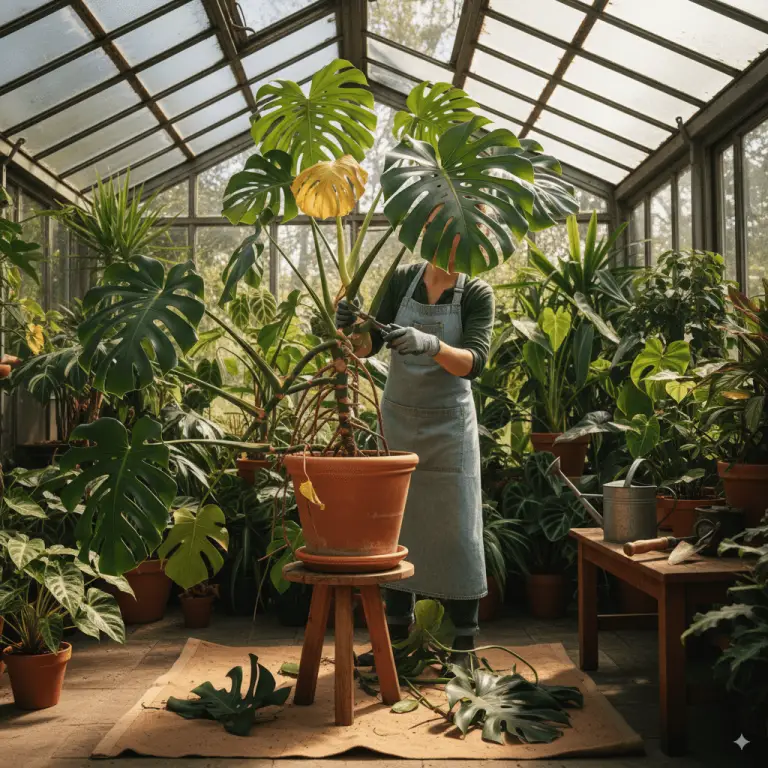
Monstera Deliciosa Care Indoors – Your Ultimate Guide To Lush
Have you ever scrolled through social media and felt a pang of envy at those stunning, jungle-like living rooms dominated by a magnificent Monstera deliciosa? With its iconic, hole-punched leaves, it’s a true statement plant. You might think that cultivating such a masterpiece is reserved for seasoned plant gurus, but I’m here to let you in on a little secret: it’s not.
I promise that you can absolutely achieve that lush, tropical look in your own home. The Monstera, often called the Swiss Cheese Plant, is surprisingly forgiving and rewarding, even for beginners. You just need the right roadmap.
Welcome to your complete guide! We’re going to dive deep into everything you need for successful monstera deliciosa care indoors. We’ll cover the perfect lighting, watering rhythms, how to encourage those famous leaf splits, and how to troubleshoot any bumps along the way. Let’s get growing!
The Amazing Benefits of Monstera Deliciosa Care Indoors
Before we get into the “how,” let’s talk about the “why.” Beyond its striking good looks, bringing a Monstera into your home offers some wonderful perks. This isn’t just about aesthetics; it’s about creating a healthier, happier living space.
Here are just a few of the benefits of monstera deliciosa care indoors:
- Natural Air Purifier: Like many houseplants, Monsteras are fantastic at filtering airborne toxins like formaldehyde from the air. They literally help you breathe cleaner, fresher air.
- Boosts Humidity: Through a process called transpiration, your Monstera releases moisture into the air. This can be a huge help in dry homes, especially during winter months, potentially easing dry skin and respiratory issues.
- Reduces Stress: It’s scientifically proven! Interacting with plants and being surrounded by greenery can lower stress levels and improve your overall mood. Caring for a living thing is a wonderfully mindful practice.
- Aesthetic Appeal: Let’s be honest—they look incredible. A thriving Monstera can be the living centerpiece of a room, adding a touch of wild, tropical elegance that no piece of furniture can replicate.
The Foundation: Getting Light and Location Just Right
If you remember only one thing from this guide, let it be this: light is everything. A Monstera’s growth, health, and ability to produce those gorgeous split leaves (called fenestrations) are directly tied to the light it receives.
Think about their natural habitat. They grow on the floor of tropical rainforests, climbing up trees to get closer to the dappled sunlight filtering through the canopy. This is the environment we want to mimic for optimal monstera deliciosa care indoors.
Finding the Sweet Spot: Bright, Indirect Light
What does “bright, indirect light” actually mean? Imagine the light a few feet away from an east-facing window, or near a south or west-facing window that’s covered by a sheer curtain. The plant should be in a bright room but shouldn’t have direct sunbeams hitting its leaves for more than an hour or two, especially the harsh afternoon sun.
Pro Tip: A great test is to hold your hand up between the plant and the light source. If it casts a soft, slightly blurry shadow, the light is likely perfect. If it casts a sharp, dark shadow, the light is too direct and could scorch the leaves.
What Happens with the Wrong Light?
- Too Little Light: The plant will become “leggy,” meaning the stems will be long and stretched out with small leaves. Most importantly, it won’t develop those signature splits. The plant is conserving energy and can’t afford to make fancy leaves.
- Too Much Direct Light: You’ll see yellowing leaves or even brown, crispy scorch marks. The beautiful deep green color will start to look washed out.
Your Complete Monstera Deliciosa Care Indoors Guide
Once you’ve found the perfect spot, it’s time to nail the routine. Don’t worry—this plant is more like a low-maintenance friend than a demanding diva. Here are the monstera deliciosa care indoors best practices to follow.
Watering: The Golden Rule of “Drench and Dry”
Overwatering is the number one mistake new plant parents make. Monsteras hate having “wet feet,” which can lead to root rot. Instead of watering on a strict schedule, learn to listen to your plant.
The best method is to check the soil. Stick your finger about two inches deep into the pot. If the soil feels dry at that depth, it’s time to water. If it’s still damp, wait a few more days and check again.
When you do water, do it thoroughly. Take the plant to a sink or tub and give it a good soak until water runs freely from the drainage holes. This ensures the entire root ball gets hydrated. Then, let it drain completely before putting it back in its decorative pot or saucer. This is how to monstera deliciosa care indoors without fear of root rot.
Soil: Building the Perfect Home for Roots
Your Monstera needs a soil mix that is airy and drains exceptionally well. Standard potting soil is often too dense and can hold onto too much water. You want a chunky mix that mimics the forest floor.
You can buy a pre-made aroid mix, or you can easily make your own! Here is a simple, effective recipe:
- 1 part standard indoor potting mix
- 1 part perlite (for aeration)
- 1 part orchid bark (for chunkiness and drainage)
This combination provides nutrients, prevents compaction, and allows oxygen to get to the roots, creating a happy, healthy foundation for your plant.
Humidity: A Taste of the Tropics
Coming from a rainforest, Monsteras love humidity. While they can tolerate average household humidity, they will truly thrive with a little extra moisture in the air. You’ll be rewarded with larger, more lush leaves.
Here are a few easy ways to boost humidity:
- Group Plants Together: Plants naturally release moisture, so clustering them creates a humid microclimate.
- Use a Pebble Tray: Place a tray filled with pebbles and water underneath the pot. As the water evaporates, it will increase the humidity around the plant. Just make sure the pot isn’t sitting in the water.
- Invest in a Humidifier: If you’re serious about your tropical plants, a small humidifier set nearby is the most effective solution.
- Regular Misting: A light misting a few times a week can help, but it’s a temporary fix. It’s a nice ritual, though!
Fertilizing: Food for Growth
During the growing season (spring and summer), your Monstera is working hard to push out new leaves. You can support this growth by feeding it. Use a balanced liquid fertilizer, diluted to half-strength, once a month with your regular watering.
In the fall and winter, the plant’s growth slows down significantly. You can stop fertilizing until you see signs of new growth in the spring. Over-fertilizing is more harmful than under-fertilizing, as it can burn the roots.
Growing Up: Pruning, Repotting, and Providing Support
As your Monstera matures, its needs will change. A little bit of maintenance will keep it looking its best and encourage it to reach its full, magnificent potential.
Giving it a Haircut: How and When to Prune
Pruning can feel scary, but it’s great for the health and shape of your plant. The best time to prune is in the spring. Use clean, sharp scissors or pruning shears.
You can prune to:
- Remove Yellow or Damaged Leaves: Cut the stem close to the main vine. This redirects energy to healthy growth.
- Control Size and Shape: If your plant is getting too wild, you can cut back a vine to a node (the little bump where a leaf grows from). This will encourage new, bushier growth from that point.
- Propagate: Don’t throw those cuttings away! A piece of stem with at least one leaf and a node can be easily rooted in water to create a whole new plant.
Moving Day: When to Repot
Monsteras prefer to be slightly root-bound, so don’t be in a rush to repot. You’ll likely only need to do it every 1-2 years. You’ll know it’s time when you see roots growing out of the drainage holes or the plant is drying out much faster than usual.
Choose a pot that is only 1-2 inches larger in diameter than the current one. Going too big can lead to the soil staying wet for too long. Gently transfer the plant, backfill with your chunky aroid mix, and give it a good drink.
The Importance of a Moss Pole
Remember those aerial roots—the brown, vine-like things growing from the stem? In the wild, a Monstera uses these to latch onto trees and climb upwards. Giving your plant something to climb, like a moss pole, encourages it to grow larger, more mature leaves with more fenestrations. It’s a game-changer!
Gently attach the main vine to the pole with plant ties or twine, and try to guide the aerial roots toward the moist pole. They may eventually grow right into it!
Troubleshooting: Solving Common Problems with Monstera Deliciosa Care Indoors
Even with the best care, you might run into an issue or two. Don’t panic! Most problems are easy to fix. Here are some of the most common problems with monstera deliciosa care indoors and how to solve them.
Why are my leaves turning yellow?
This is almost always a watering issue. One or two lower leaves yellowing over time is normal aging. But if multiple leaves are yellowing, check the soil. If it’s soggy, you’re overwatering. If it’s bone-dry and the leaves are wilted, you’re underwatering.
Why don’t my leaves have any splits?
The number one reason for a lack of fenestrations is not enough light. Move your plant to a brighter location. The second reason is age; young, juvenile plants have solid, heart-shaped leaves. Be patient! As the plant matures and gets good light, the splits will come.
What are these little brown spots on the leaves?
Small, crispy brown spots can be a sign of low humidity or inconsistent watering. If you see larger brown spots with a yellow halo, it could be a fungal issue, often caused by the leaves staying wet for too long. Ensure good air circulation and water the soil, not the leaves.
Help! I see tiny webs or white fluffy stuff on my plant!
Pests happen. Tiny webs are the calling card of spider mites, and the white fluffy stuff is mealybugs. Isolate the plant immediately to prevent them from spreading. You can treat them by wiping the leaves with a cloth dipped in a solution of water and a little mild dish soap, or by spraying with an insecticidal soap or neem oil solution.
Sustainable and Eco-Friendly Monstera Deliciosa Care Indoors
Being a “Greeny Gardener” is also about caring for our planet. You can easily apply sustainable practices to your houseplant hobby. Pursuing sustainable monstera deliciosa care indoors is both rewarding and responsible.
- Peat-Free Soil: Peat bogs are vital ecosystems. Look for potting mixes that use sustainable alternatives like coco coir.
- Water Wisely: Collect rainwater to water your plants. It’s free of the chlorine and minerals found in tap water.
- Natural Pest Control: Before reaching for chemicals, try solutions like neem oil or introducing beneficial insects like ladybugs if you have a larger collection.
- Propagate and Share: Instead of buying a new plant, propagate your Monstera! It’s a fun project and a wonderful, eco-friendly monstera deliciosa care indoors practice to share cuttings with friends.
Frequently Asked Questions About Monstera Deliciosa Care Indoors
Is the Monstera deliciosa toxic to pets?
Yes, it is. The leaves and stems contain calcium oxalate crystals, which can cause irritation, swelling of the mouth, and vomiting if ingested by cats or dogs. It’s best to keep this plant out of reach of curious pets and children.
What should I do with the long aerial roots?
You have a few options! You can guide them down into the soil, where they will function like normal roots. You can attach them to a moss pole to encourage climbing. Or, if they are unruly, you can simply trim them. It won’t harm the plant.
How fast does a Monstera deliciosa grow?
In ideal conditions (good light, warmth, and humidity), a Monstera can grow quite quickly during the spring and summer, potentially putting out a new leaf every few weeks. Growth will slow dramatically in the winter.
You’ve Got This: Go Forth and Grow!
Whew, that was a lot of information! But I hope you see that the core of a happy Monstera is just getting a few key things right. It’s not about perfection; it’s about observation and responding to what your plant is telling you.
This remarkable plant is more than just a decoration. It’s a living, breathing part of your home that grows and changes with you. By following this monstera deliciosa care indoors care guide, you are fully equipped to not just keep your plant alive, but to help it truly thrive.
So go ahead, find that perfect spot, get your hands a little dirty, and enjoy the journey of watching your beautiful Monstera deliciosa unfurl its next stunning leaf. Happy gardening!

- How Much Sun Do Petunias Need – For A Vibrant, Non-Stop Floral - September 15, 2026
- Do Petunias Like Full Sun Or Shade – Unlocking Your Best Summer Blooms - September 15, 2026
- Best Petunias For Shade – Choosing The Right Blooms For Dim Corners - September 15, 2026