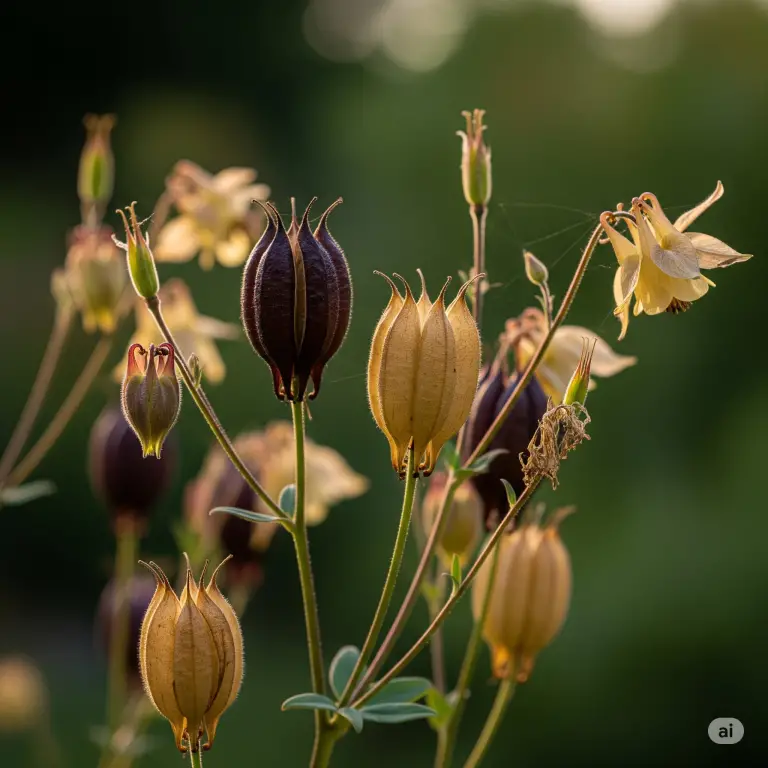
Flowering Plants For Under Trees – Transform Shady Spots Into Vibrant
Do you look at the shady, often barren, ground beneath your majestic trees and sigh? Many gardeners do! It’s a common challenge: these spots often seem impossible to cultivate, leaving a dark, uninspired void in your otherwise vibrant landscape. But what if I told you that these tricky areas hold incredible potential, just waiting for the right touch?
You’re not alone if you’ve struggled to find plants that thrive in these conditions. The combination of dense shade, thirsty tree roots, and often poor soil can feel like a formidable foe. But here at Greeny Gardener, we promise to guide you through this gardening puzzle, transforming those neglected areas into lush, beautiful displays.
In this comprehensive guide, we’ll unlock the secrets to choosing, planting, and caring for the most stunning flowering plants for under trees. Get ready to discover how to create a captivating understory garden that will bring joy and beauty to even the shadiest corners of your yard. Let’s dig in and bring those shadowy spaces to life!
What's On the Page
- 1 Understanding the Unique Challenges of Planting Under Trees
- 2 Choosing the Best Flowering Plants for Under Trees
- 3 Essential Tips for Successful Planting Under Trees
- 4 Nurturing Your Under-Tree Garden: A Care Guide
- 5 The Benefits of Flowering Plants for Under Trees
- 6 Troubleshooting Common Problems
- 7 Frequently Asked Questions About Flowering Plants for Under Trees
- 8 Conclusion
Understanding the Unique Challenges of Planting Under Trees
Before we dive into plant recommendations, it’s crucial to understand why gardening under trees can be so tricky. These areas present a unique set of obstacles that differ significantly from open garden beds.
Addressing these challenges head-on is the first step to success. Once you know what you’re up against, you can choose the right plants and employ the best strategies.
Shade: Not All Shade is Created Equal
The most obvious challenge is the lack of direct sunlight. Trees cast varying degrees of shade, from deep, dense shade under evergreens to dappled, shifting light under deciduous trees.
Understanding your specific shade type is vital for selecting appropriate flowering plants for under trees. Plants needing “full shade” still appreciate a few hours of indirect light, while “part shade” plants can handle more.
Root Competition: A Thirsty Battle
Beneath the surface, a fierce competition for water and nutrients takes place. Mature tree roots are extensive and incredibly efficient at absorbing resources from the surrounding soil.
This means any new plants you introduce will be vying for sustenance with established giants. It’s one of the most common problems with flowering plants for under trees, leading to stunted growth if not addressed.
Soil Quality: Often Lacking
The soil under trees can often be compacted, depleted of organic matter, and acidic, especially under certain tree types like pines or oaks. Over time, falling leaves might decompose, but the initial soil quality can be poor.
This less-than-ideal soil structure makes it difficult for delicate feeder roots of new plants to establish themselves. Proper soil preparation is a critical step in our flowering plants for under trees guide.
Choosing the Best Flowering Plants for Under Trees
Now for the fun part: selecting plants that not only tolerate but actually thrive in these challenging conditions! The key is to pick species naturally adapted to woodland environments.
Focus on plants known for their shade tolerance and ability to coexist with tree roots. This ensures you’re setting yourself up for success right from the start.
Perennials for Lasting Beauty
Perennials are fantastic for under-tree planting because they return year after year, establishing themselves over time. This makes them a sustainable flowering plants for under trees choice.
They offer a wide range of textures and colors, creating a dynamic display. Many woodland perennials bloom in spring before the tree canopy fully leafs out, taking advantage of early season sunlight.
- Hosta (Hosta spp.): While primarily grown for their stunning foliage, many hosta varieties produce lovely lavender or white flowers on tall scapes. They are incredibly versatile and come in countless sizes and leaf colors.
- Bleeding Heart (Dicentra spectabilis): With its charming heart-shaped flowers, Bleeding Heart is a spring showstopper. It prefers moist, rich soil and partial to full shade.
- Astilbe (Astilbe spp.): These plants offer feathery plumes of flowers in shades of pink, red, purple, and white. Astilbes love consistent moisture and dappled shade, making them ideal for areas that don’t dry out too quickly.
- Foamflower (Tiarella cordifolia): A delicate native perennial, Foamflower produces airy white flower spikes in spring. It’s perfect for naturalistic plantings and spreads gently to form a beautiful groundcover.
- Lenten Rose (Helleborus orientalis): One of the earliest bloomers, Lenten Roses offer exquisite cup-shaped flowers in late winter or early spring, often pushing through snow. They are incredibly tough and deer-resistant.
- Coral Bells (Heuchera spp.): While also prized for their colorful foliage, Coral Bells send up delicate spikes of bell-shaped flowers. They are remarkably adaptable to various shade conditions.
Annuals for Seasonal Splashes
If you crave vibrant, continuous color throughout the growing season, annuals are your go-to. They are perfect for filling in gaps or adding a pop of temporary cheer.
Annuals can be a great way to experiment with color schemes without long-term commitment. Don’t worry—these flowers are perfect for beginners!
- Impatiens (Impatiens walleriana): The classic shade annual, Impatiens provide a profusion of bright flowers in almost every color. They thrive in consistent moisture and filtered light. (Note: New Guinea Impatiens and Downy Mildew resistant varieties are often preferred.)
- Coleus (Plectranthus scutellarioides): Though primarily grown for foliage, many coleus varieties produce small, attractive flower spikes. Their leaf colors are so vibrant, they often outshine traditional blooms.
- Begonia (Begonia spp.): Wax Begonias and Tuberous Begonias are excellent for shade. Wax Begonias offer continuous flowers and come in green or bronze foliage, while Tuberous Begonias provide larger, more showy blooms.
- Vinca (Catharanthus roseus): Also known as Periwinkle, Vinca is a tough, low-growing annual that produces small, cheerful flowers. It tolerates dry shade better than many other annuals once established.
Native & Eco-Friendly Options
Choosing native plants is a fantastic way to create a sustainable flowering plants for under trees garden. They are naturally adapted to your local climate and soil, requiring less intervention.
Native plants also support local wildlife, including pollinators and beneficial insects, making your garden an eco-friendly flowering plants for under trees haven. Check with your local extension office for specific recommendations.
- Wild Geranium (Geranium maculatum): A beautiful native with delicate pinkish-purple flowers in spring, it thrives in dappled shade and naturalizes easily.
- Virginia Bluebells (Mertensia virginica): A stunning ephemeral native, these produce sky-blue bell-shaped flowers in early spring before disappearing in summer.
- Trillium (Trillium spp.): Iconic woodland wildflowers with distinctive three-petaled flowers, they are slow-growing but incredibly rewarding.
Essential Tips for Successful Planting Under Trees
Selecting the right plants is only half the battle. How to flowering plants for under trees successfully involves careful preparation and thoughtful planting techniques. This is where our flowering plants for under trees best practices really come into play.
Remember, you’re working with established tree roots, so a gentle approach is always best. Patience and preparation will yield the most rewarding results.
Soil Preparation is Key
Because tree roots are so dominant, extensive digging can damage them. Instead, focus on improving the top layer of soil. You want to enrich it without disturbing the tree’s root system too much.
Start by clearing any debris, then gently amend the top 4-6 inches of soil with plenty of organic matter. This could include compost, leaf mold, or aged manure.
Pro Tip: Avoid adding a thick layer of new soil on top of tree roots, as this can smother them. A thin layer (no more than a few inches) of enriched soil is usually fine, but deeper layers can be detrimental to the tree’s health.
Mindful Planting Techniques
When it’s time to plant, approach the task with care. Digging large holes can sever important tree roots, which can harm the tree and stress your new plants.
Instead, dig smaller, wider holes for each plant, just deep enough to accommodate the root ball. If you encounter a large tree root, try to plant around it or find another spot rather than cutting it.
Once planted, water thoroughly to settle the soil around the roots. This helps eliminate air pockets and ensures good root-to-soil contact.
Watering Wisdom
New plants under trees need consistent moisture to establish, especially in their first year. Tree roots will quickly absorb available water, so regular watering is crucial.
Deep, infrequent watering is generally better than shallow, frequent watering. This encourages the new plant roots to grow deeper, making them more resilient.
Keep a close eye on your plants, checking the soil moisture regularly. Don’t let them dry out completely, but also avoid waterlogging, which can lead to root rot.
Nurturing Your Under-Tree Garden: A Care Guide
Once your beautiful flowering plants for under trees are in the ground, ongoing care will ensure they flourish. A consistent routine helps them thrive despite the competition.
This flowering plants for under trees care guide will help you maintain a healthy and vibrant understory garden year after year.
Fertilization: A Gentle Boost
With tree roots competing for nutrients, a little extra help can go a long way for your understory plants. However, avoid over-fertilizing, which can harm both your flowers and the tree.
Apply a balanced, slow-release granular fertilizer or a liquid feed at half strength in spring. Organic options like compost tea or fish emulsion are excellent eco-friendly choices that gently enrich the soil.
Mulching: Your Garden’s Best Friend
Mulch is indispensable for under-tree plantings. A 2-3 inch layer of organic mulch (like shredded bark, leaf mold, or wood chips) offers multiple benefits.
Mulch helps retain soil moisture, suppresses weeds, and moderates soil temperature. As it breaks down, it slowly adds organic matter and nutrients back into the soil, benefiting both your plants and the tree.
Important: Keep mulch a few inches away from the tree trunk to prevent moisture buildup and potential rot or pest issues.
Pruning for Health and Vigor
While most understory plants don’t require heavy pruning, deadheading spent flowers can encourage more blooms and prevent self-seeding where unwanted. Removing any yellowing or diseased foliage also helps maintain plant health.
For some perennials, a light trim after their first flush of blooms can encourage a second, smaller bloom cycle. Always use clean, sharp pruners.
Pest & Disease Watch
Healthy plants are more resistant to pests and diseases. Regularly inspect your flowering plants for under trees for any signs of trouble.
Catching issues early makes them much easier to manage. Good air circulation and proper watering can prevent many fungal problems. If you spot pests, try eco-friendly solutions like insecticidal soap before resorting to stronger chemicals.
The Benefits of Flowering Plants for Under Trees
Beyond simply filling a void, cultivating flowering plants for under trees brings a host of advantages to your garden and the wider environment.
These benefits extend from visual appeal to crucial ecological contributions. It’s a truly rewarding endeavor!
Aesthetic Appeal: Unlocking Hidden Beauty
Transforming a drab, shady area into a vibrant display adds significant visual interest to your landscape. The contrast of delicate flowers against the strong presence of a tree is simply stunning.
An understory garden creates depth and texture, making your garden feel more mature and intentional. It also extends your garden’s beauty into previously overlooked zones.
Ecological Impact: Supporting Local Wildlife
Many shade-loving plants, especially native varieties, provide essential food and habitat for local wildlife. Early spring bloomers offer vital nectar for emerging pollinators when other food sources are scarce.
These plantings contribute to biodiversity, turning your garden into a miniature ecosystem. This makes them a truly eco-friendly flowering plants for under trees solution.
Soil Health: A Natural Shield
Groundcovers and other understory plants help protect the soil from erosion and compaction. Their root systems hold the soil in place, reducing runoff and improving water penetration.
As these plants grow and shed leaves, they contribute to the organic matter in the soil, improving its structure and fertility over time. This creates a healthier environment for both the plants and the tree.
Troubleshooting Common Problems
Even with the best intentions and careful planning, you might encounter a few hiccups. Don’t get discouraged! Many common problems with flowering plants for under trees have straightforward solutions.
Here are a few scenarios you might face and how to tackle them like a seasoned gardener.
Lack of Blooms
If your plants aren’t flowering as expected, consider the following:
- Too Much Shade: Even shade-lovers need some light. If the tree canopy has grown denser, your plants might be getting too little light. Consider pruning lower tree branches (consult an arborist!) or relocating plants to a brighter spot.
- Nutrient Deficiency: Tree roots might be outcompeting your plants for nutrients. A gentle, balanced fertilizer can help.
- Immature Plants: Some perennials take a year or two to establish and produce their best blooms. Be patient!
Stunted Growth
Small, weak plants often indicate a struggle for resources:
- Water or Nutrient Stress: This is very common under trees. Ensure consistent watering, especially during dry spells, and regular, gentle feeding.
- Root Competition: If you see many tree roots very close to the surface, they might be too dominant. Consider creating a slightly raised bed (with careful thought to tree health) or choosing even more tolerant plants.
- Poor Soil: Revisit your soil amendments. Adding more organic matter can significantly improve conditions.
Pest Issues
Pests can sometimes target stressed plants. Keep an eye out for common culprits like slugs, snails, or aphids.
- Slugs and Snails: These thrive in moist, shady conditions. Use organic slug baits, beer traps, or hand-pick them in the evening.
- Aphids: A strong spray of water or insecticidal soap can often dislodge and control aphid populations. Encourage beneficial insects like ladybugs.
Frequently Asked Questions About Flowering Plants for Under Trees
Let’s address some of the most common queries gardeners have when tackling these unique planting areas.
Can I plant anything under a mature oak tree?
Yes, but it requires careful selection! Oak trees are known for their dense shade and extensive root systems. Focus on very shade-tolerant plants that can handle dry conditions, as oaks are heavy drinkers. Hellebores, Foamflower, and some types of Ferns are often good choices. Always amend the soil gently with compost, avoiding deep digging near large roots.
How often should I water new plants under trees?
For the first growing season, new plants under trees typically need consistent moisture. Check the soil every 2-3 days by feeling it about an inch down. If it feels dry, water deeply until the soil is moist. As plants establish (usually after a year), you can reduce watering frequency, but they may still need supplemental water during dry spells, especially compared to plants in open beds.
What’s the best time of year to plant under trees?
Early spring or early fall are generally the best times. Planting in spring allows plants to establish before the intense heat of summer and before the tree canopy fully leafs out. Fall planting gives roots time to grow before winter, and plants are less stressed by heat. Avoid planting in the peak of summer when heat and drought can be too much for new plants.
Do I need to amend the soil much?
Yes, but gently! The goal is to improve the top 4-6 inches of soil without disturbing major tree roots. Incorporate plenty of organic matter like compost, leaf mold, or well-rotted manure. This improves drainage, water retention, and nutrient availability. Avoid adding thick layers of new soil on top of existing tree roots, as this can be detrimental to the tree’s health.
Conclusion
There you have it, fellow gardeners! The once-daunting task of planting flowering plants for under trees is now within your grasp. By understanding the unique challenges, selecting the right plants, and applying our expert tips, you can transform those forgotten shady spots into breathtaking focal points in your garden.
Remember, gardening is an ongoing journey of learning and discovery. Don’t be afraid to experiment, observe your plants, and adjust your approach. With a little patience and the knowledge you’ve gained today, you’ll be enjoying a lush, vibrant understory garden in no time.
So, grab your trowel, embrace the shade, and go forth to cultivate beauty beneath your trees! Happy gardening!