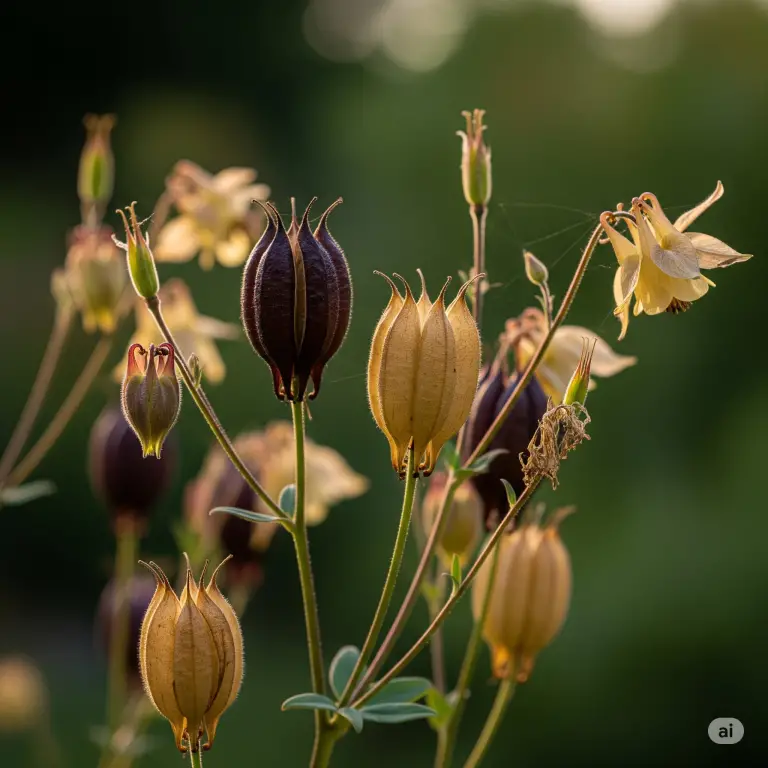
Early Spring Flowers From Bulbs – Your Ultimate Guide To A Vibrant
Ah, the end of winter! That crisp air still bites, but deep down, you’re yearning for color, for life to return to your garden. You’ve probably felt that pang of impatience, wishing away the last vestiges of frost to see something, anything, bloom. Well, my friend, you’re not alone! That’s where the magic of early spring flowers from bulbs comes in.
Imagine stepping outside after a long, gray winter and being greeted by cheerful crocuses, delicate snowdrops, or vibrant daffodils pushing through the thawing earth. It’s not just a dream; it’s an easily achievable reality for any gardener, from complete beginners to seasoned green thumbs. In this comprehensive guide, we’ll unlock all the secrets to successfully planting and nurturing these resilient beauties.
We’ll dive into everything you need to know: from choosing the perfect bulbs for your climate and soil, to step-by-step planting instructions, essential care tips, and even how to troubleshoot common issues. Get ready to transform your garden into an early spring wonderland, effortlessly bringing joy and color when you need it most. Let’s dig in!
What's On the Page
- 1 Early Spring Flowers from Bulbs: Why They’re a Must-Have for Every Garden
- 2 Choosing Your Stars: Best Early Spring Flowers from Bulbs
- 3 Getting Started: Your Early Spring Flowers from Bulbs Planting Guide
- 4 Nurturing Your Bloomers: Early Spring Flowers from Bulbs Care Guide
- 5 Troubleshooting & Triumphs: Common Problems with Early Spring Flowers from Bulbs
- 6 Sustainable Practices for Your Early Spring Flowers from Bulbs
- 7 Pro Tips for Early Spring Flowers from Bulbs Success
- 8 Frequently Asked Questions About Early Spring Flowers from Bulbs
- 9 Conclusion
Early Spring Flowers from Bulbs: Why They’re a Must-Have for Every Garden
There’s a special kind of delight that comes from seeing the first blossoms of the year. Early spring flowers from bulbs aren’t just pretty; they offer a host of benefits that make them indispensable in any garden plan.
The Unbeatable Benefits of Early Spring Flowers from Bulbs
These resilient little wonders pack a powerful punch, offering more than just visual appeal. They’re truly a gift after the dormancy of winter.
- Instant Gratification: After months of barren landscapes, these flowers provide an immediate burst of color and life, lifting spirits and signaling the arrival of warmer days.
- Low Maintenance: Once planted correctly, most spring-flowering bulbs require minimal fuss. They largely take care of themselves, emerging year after year with little intervention.
- Pollinator Powerhouses: Many early spring bulbs, like crocuses and scilla, are vital early food sources for awakening bees and other beneficial pollinators. You’re not just planting for beauty; you’re supporting your local ecosystem!
- Deer and Rodent Resistance: While no plant is entirely deer-proof, many popular spring bulbs like daffodils and snowdrops are naturally distasteful to deer, squirrels, and other critters, making them a safer bet for hungry wildlife areas.
- Versatility: Whether you have a sprawling garden, a small patio, or just a window box, there are bulbs suited for every space. They can be naturalized in lawns, tucked into borders, or showcased in containers.
Understanding these benefits makes it clear why integrating early spring flowers from bulbs into your garden is such a rewarding endeavor.
Choosing Your Stars: Best Early Spring Flowers from Bulbs
The first step to a dazzling display is selecting the right bulbs. With so many wonderful options, how do you choose? Let’s explore some of the best and consider your local conditions.
Top Picks for Dazzling Displays
These are some of the most reliable and beloved options when considering early spring flowers from bulbs. Don’t worry—these flowers are perfect for beginners!
- Snowdrops (Galanthus nivalis): Often the very first to bloom, sometimes even pushing through snow. Delicate white bells that signal winter’s end.
- Winter Aconite (Eranthis hyemalis): Bright yellow, cup-shaped flowers that appear almost simultaneously with snowdrops. They naturalize beautifully.
- Crocus (Crocus vernus, C. tommasinianus): A classic for a reason! Available in a rainbow of colors—purple, white, yellow, and striped. Excellent for naturalizing in lawns.
- Dwarf Irises (Iris reticulata): Jewel-toned, fragrant flowers in shades of purple, blue, and yellow. They bring an elegant touch to early spring.
- Glory-of-the-Snow (Chionodoxa forbesii): Star-shaped blue, pink, or white flowers that create a carpet of color. Very hardy and prolific.
- Scilla (Scilla siberica): Intense true-blue nodding bells that multiply rapidly. Perfect for mass plantings under deciduous trees.
- Daffodils (Narcissus spp.): From tiny miniatures to grand trumpet varieties, daffodils are cheerful, long-lasting, and deer-resistant. A quintessential spring flower.
Considering Your Climate Zone for Early Spring Flowers from Bulbs
Bulb performance is heavily influenced by your local climate. Most spring-flowering bulbs need a period of cold dormancy to initiate flowering. This is why it’s crucial to check your USDA Plant Hardiness Zone.
If you live in a warmer climate (Zones 8-10), you might need to “pre-chill” your bulbs in the refrigerator for 6-10 weeks before planting to simulate winter conditions. Always purchase bulbs from a reputable supplier who can advise on varieties suitable for your specific zone.
Getting Started: Your Early Spring Flowers from Bulbs Planting Guide
Now for the fun part: getting those bulbs into the ground! This section is all about how to early spring flowers from bulbs successfully, ensuring a spectacular show.
Preparing Your Soil for Success
Bulbs thrive in well-drained soil. If your soil is heavy clay, amend it with organic matter like compost, peat moss, or well-rotted manure. This improves drainage and adds vital nutrients.
A good rule of thumb: if water pools after a rain, your drainage needs improvement. Bulbs sitting in soggy soil are prone to rot.
The Right Depth and Spacing
This is one of the most common questions about early spring flowers from bulbs. A general rule is to plant bulbs at a depth roughly two to three times their height. So, a 2-inch tall bulb should be planted 4-6 inches deep.
Spacing depends on the bulb type and desired effect. For a naturalized look, scatter bulbs and plant them where they fall. For a more formal display, follow package recommendations. Generally, space smaller bulbs 2-4 inches apart and larger bulbs 4-6 inches apart.
Here’s a simple planting process:
- Dig a hole to the appropriate depth. For mass plantings, you can dig a wider trench.
- Loosen the soil at the bottom of the hole.
- Place the bulb with the pointed end facing upwards. If you’re unsure which end is up, plant it on its side; it will usually find its way.
- Cover the bulb with soil, gently firming it down.
- Water thoroughly after planting to settle the soil around the bulbs.
Planting in Containers vs. Garden Beds
You don’t need a sprawling garden to enjoy early spring flowers from bulbs! Containers are an excellent option, especially for smaller spaces or if you want to move your display around.
- Containers: Use a good quality potting mix with excellent drainage. Ensure your container has drainage holes. You can layer different bulbs (known as “lasagna planting”) to get a longer bloom period. Plant bulbs closer together in containers for a fuller look.
- Garden Beds: Consider planting in drifts or clusters for a more natural, impactful display. Mix different varieties for varied textures and bloom times. Remember to think about where they’ll be seen most—along walkways, near entryways, or under deciduous trees.
Nurturing Your Bloomers: Early Spring Flowers from Bulbs Care Guide
Once planted, these bulbs are remarkably self-sufficient, but a little care goes a long way in ensuring they return year after year. This section covers the essential early spring flowers from bulbs care guide.
Watering Wisdom
After planting in the fall, a good initial watering helps settle the soil. During their active growth period in spring, bulbs generally benefit from consistent moisture, especially if rainfall is scarce.
However, once they finish blooming and the foliage starts to yellow, reduce watering. Too much moisture during their dormancy can lead to rot.
Feeding for Future Blooms
Most bulbs contain enough stored energy for their first year’s bloom. For subsequent years, feeding can be beneficial. In the fall, before the ground freezes, or in early spring as foliage emerges, you can apply a balanced slow-release fertilizer or a specialized bulb food.
Avoid high-nitrogen fertilizers, which promote leafy growth at the expense of flowers. Organic options like compost or bone meal are also excellent for enriching the soil.
Post-Bloom Care: The Secret to Next Year’s Show
This is perhaps the most crucial tip for perennializing your early spring flowers from bulbs. Resist the urge to cut back the foliage immediately after flowering!
The leaves are essential for photosynthesis, which creates and stores energy in the bulb for next year’s blooms. Allow the foliage to naturally yellow and die back for at least 6-8 weeks, or until it can be easily pulled away. You can snip off spent flower heads (deadheading) to prevent seed formation, which also diverts energy away from the bulb.
Troubleshooting & Triumphs: Common Problems with Early Spring Flowers from Bulbs
Even with the best intentions, gardeners sometimes encounter hiccups. Knowing how to address common problems with early spring flowers from bulbs can save you a lot of worry.
Pests and Diseases
Fortunately, many early spring bulbs are quite pest-resistant. However, some issues can arise:
- Aphids: Small, soft-bodied insects that cluster on new growth. A strong spray of water or insecticidal soap usually controls them.
- Slugs and Snails: Can chew holes in leaves and flowers. Hand-picking, beer traps, or organic slug baits can help.
- Bulb Rot: The most common disease, caused by overly wet, poorly drained soil. Prevention is key: ensure good drainage and avoid overwatering.
Lack of Blooms
If your bulbs aren’t flowering, several factors could be at play:
- Too Shallow/Deep: Incorrect planting depth can hinder flowering.
- Lack of Sunlight: Most bulbs need at least 6 hours of direct sun daily.
- Premature Foliage Removal: Cutting leaves too soon prevents the bulb from recharging.
- Overcrowding: After several years, bulbs can become too crowded. Dig and divide them in late summer or early fall.
- Nutrient Deficiency: Especially phosphorus and potassium, essential for flowering.
Bulbs Not Returning
This can be heartbreaking! Besides the reasons for lack of blooms, consider:
- Poor Drainage/Rot: As mentioned, soggy soil is a bulb killer.
- Critter Damage: Squirrels, voles, or mice might have eaten your bulbs. Use wire cages or deterrents if this is a recurring problem.
- Insufficient Dormancy: In warm climates, bulbs might not get the cold period they need to rebloom.
- Old Age: Some bulbs are shorter-lived than others. Consider them annuals and replant fresh ones every few years.
Sustainable Practices for Your Early Spring Flowers from Bulbs
As gardeners, we’re stewards of the earth. Incorporating sustainable early spring flowers from bulbs practices benefits not only your garden but the wider environment. It’s about being an eco-friendly early spring flowers from bulbs enthusiast!
Natural Pest Control
Instead of chemical pesticides, opt for natural solutions. Encourage beneficial insects like ladybugs, lacewings, and predatory wasps. Companion planting with pest-repelling plants can also help.
For example, planting garlic or chives near susceptible bulbs might deter some pests. A healthy, diverse garden is naturally more resilient.
Water Conservation
Water wisely! Install drip irrigation or soaker hoses to deliver water directly to the roots, minimizing evaporation. Mulch around your bulbs with organic materials like shredded bark or straw to retain soil moisture and suppress weeds.
Collecting rainwater in barrels is another excellent eco-friendly practice for watering your garden.
Composting and Soil Health
Compost is a gardener’s gold! Amend your soil with homemade compost to improve its structure, drainage, and nutrient content. This reduces the need for synthetic fertilizers and enriches the soil’s microbial life.
A healthy soil ecosystem supports stronger, more disease-resistant plants, making your early spring flowers from bulbs more robust and vibrant.
Pro Tips for Early Spring Flowers from Bulbs Success
Want to take your early spring display to the next level? These early spring flowers from bulbs tips and early spring flowers from bulbs best practices will help you achieve truly spectacular results.
Layering for Extended Bloom
This technique, often called “lasagna planting,” allows you to enjoy continuous blooms from the same spot. Plant larger, later-blooming bulbs (like daffodils) at the deepest layer, followed by medium-sized, mid-spring bloomers (like tulips, though not strictly early spring) above them, and finally, smaller, earliest bloomers (like crocuses or dwarf irises) at the top layer.
This creates a staggered succession of flowers, extending your colorful display for weeks.
Companion Planting
Think about what else will be blooming around your bulbs. Plant them alongside early spring perennials like hellebores, primroses, or lungworts for a layered look. As bulb foliage starts to fade, emerging hostas or ferns can cleverly hide the yellowing leaves.
This ensures your garden always has something interesting to look at.
Documenting Your Garden
Keep a simple garden journal! Note where you planted which bulbs, when they bloomed, and what worked (or didn’t). Take photos. This invaluable record will guide your planting decisions for future seasons, helping you refine your displays and remember your favorite combinations.
Frequently Asked Questions About Early Spring Flowers from Bulbs
Let’s answer some common questions that pop up when dealing with early spring flowers from bulbs.
When is the best time to plant early spring flowering bulbs?
The best time to plant early spring flowering bulbs is in the fall, typically from September through November, before the ground freezes solid. This gives them enough time to establish roots before winter sets in.
Do I need to fertilize my bulbs every year?
Not necessarily every year, especially if your soil is rich in organic matter. However, applying a balanced, slow-release bulb fertilizer or compost in the fall or early spring can help replenish nutrients and encourage stronger blooms in subsequent years.
What should I do if my early spring bulbs aren’t blooming?
First, check if the foliage was allowed to die back naturally last year. Other common reasons include insufficient sunlight, planting too shallow or too deep, overcrowding, or the bulbs being too old. Consider dividing crowded clumps or adding a phosphorus-rich fertilizer.
Are there any early spring bulbs that are truly deer-proof?
While no plant is 100% deer-proof, daffodils (Narcissus), snowdrops (Galanthus), and alliums are generally considered highly deer-resistant due to compounds that are unpalatable or toxic to deer. Crocuses, however, are often a favorite snack for deer and other critters.
Can I grow early spring flowers from bulbs in pots indoors?
Yes, you can “force” many early spring bulbs indoors for winter blooms. This requires a chilling period (usually 10-16 weeks in a cool, dark place like a refrigerator) before bringing them into a warmer, brighter spot to bloom. Hyacinths, daffodils, and crocuses are popular choices for forcing.
Conclusion
There you have it, fellow gardeners! The comprehensive guide to cultivating a breathtaking display of early spring flowers from bulbs. From the moment those tiny green shoots emerge, pushing through the cold soil, to the vibrant burst of color they offer, these plants are a testament to nature’s resilience and beauty.
Remember, gardening is a journey of learning and discovery. Don’t be afraid to experiment with different varieties, planting locations, and techniques. The joy these early bloomers bring far outweighs any initial effort. By following these tips and best practices, you’re not just planting bulbs; you’re planting hope, promising yourself and your garden a glorious awakening after the long winter.
So, get out there, embrace the magic of these resilient beauties, and watch your garden transform into a symphony of color and life. Go forth and grow—your early spring wonderland awaits!