Do Black-Eyed Susans Bloom All Summer – Maximizing Your Golden Garden
I know the feeling of wanting that vibrant, golden glow in your yard to last as long as possible. Many gardeners wonder if they can keep that sunshine-yellow color from June through September.
In this guide, I promise to show you exactly how to extend the life of your flowers and keep your garden looking lush. We will explore variety selection, deadheading techniques, and soil care to ensure your blooms stay strong.
If you’ve ever asked, “do black-eyed susans bloom all summer,” you are in the right place to get the expert answers you need to transform your landscape.
Understanding the Bloom Cycle of Rudbeckia
Black-eyed Susans, or Rudbeckia, are the backbone of many American gardens. Their cheerful faces and hardy nature make them a favorite for both novices and pros.
In most climates, these plants naturally begin their show in early to mid-summer. However, the duration of that show depends heavily on the specific variety you have planted in your soil.
Some types are short-lived perennials that bloom intensely for a few weeks. Others are workhorses that can push through until the first frost of autumn arrives.
Annuals vs. Perennials
The Rudbeckia hirta variety is often grown as an annual or a short-lived biennial. These usually have larger, flashier flowers but may tire out faster if not cared for properly.
Perennial types, like Rudbeckia fulgida, are more reliable for returning year after year. They tend to have a more consistent, albeit slightly later, start to their blooming season.
Understanding which one you have is the first step in managing your expectations for the summer. Both can be encouraged to flower longer with the right horticultural techniques.
Why do black-eyed susans bloom all summer under the right conditions?
The biology of these plants is designed for resilience and reproduction. In the wild, they want to produce as many seeds as possible to ensure the next generation survives.
When you provide optimal nutrients and consistent moisture, the plant doesn’t have to struggle for survival. This allows it to divert all its energy into flower production.
The key to a season-long display is preventing the plant from finishing its seed-making cycle too early. If the plant thinks it has “won” the season, it will stop flowering.
The Role of Photosynthesis
These plants are sun-worshippers that require high levels of light to fuel their metabolic processes. Without enough light, the bloom cycle will be stunted and brief.
When they receive full sun, they can process enough energy to keep generating new buds. This is why do black-eyed susans bloom all summer is a question usually answered by the quality of your garden’s light.
If they are in the shade, they will spend their energy stretching toward the light rather than producing those iconic yellow petals.
Master the Art of Deadheading for Continuous Flowers
Deadheading is the most effective tool in a gardener’s arsenal. It is the simple act of removing faded or dead flowers before they can turn into seed heads.
When you snip off a spent bloom, you are tricking the plant. You are essentially telling it that its job isn’t done yet, which triggers the growth of lateral buds.
This redirection of energy is what keeps the color coming. If you leave the dead flowers, the plant shifts its focus to ripening seeds, and new flower production halts.
How to Deadhead Correctly
- Identify a flower that has lost its petals or where the center cone has turned dark and dull.
- Follow the stem down to the first set of healthy leaves or a new lateral bud.
- Use sharp, sterilized pruning shears to make a clean cut at a 45-degree angle.
- Avoid leaving long “stubs,” which can invite rot or disease into the main stem.
Consistency is key here. I recommend taking a walk through your garden once or twice a week with your shears in hand to keep things tidy.
The “Chelsea Chop” Technique
For more experienced gardeners, the Chelsea Chop is a great way to stagger your blooms. This involves cutting back about one-third of the plant in late spring.
While this delays the initial flowering, it results in a bushier plant with more flower heads. It also ensures that the plant doesn’t peak all at once in July.
By using this method, you can effectively extend the window of color well into the late summer months when other plants are fading.
Ideal Growing Conditions for a Season-Long Display
To ensure your do black-eyed susans bloom all summer, you must provide a foundation of high-quality environmental factors. They are tough, but they aren’t invincible.
Soil quality plays a massive role in how much stamina a plant has. They prefer well-draining soil that is rich in organic matter but not overly saturated with nitrogen.
Too much nitrogen can actually be a problem. It leads to lush, green foliage but very few actual flowers, which defeats the purpose of your display.
Sunlight Requirements
These plants need at least six to eight hours of direct sunlight every day. In hotter southern climates, a little afternoon shade can prevent the petals from scorching.
However, in northern regions, the more sun, the better. Sunlight acts as the “battery charger” for the flower production engine of the Rudbeckia.
If you notice your plants are getting “leggy” or flopping over, it’s a clear sign they aren’t getting enough light to support their own weight.
Watering Strategies
While they are relatively drought-tolerant once established, consistent moisture is vital for peak blooming. Stress from drought will cause the plant to drop its buds prematurely.
I always suggest watering at the base of the plant rather than from overhead. Wet leaves are a magnet for fungal pathogens like powdery mildew.
Using a soaker hose or drip irrigation system is the gold standard. It keeps the roots hydrated while keeping the “black eyes” and yellow petals dry and beautiful.
Troubleshooting Common Issues That Stop the Bloom
Sometimes, despite your best efforts, the flowers might start to look a bit sad. Usually, this is due to a few common garden culprits that are easy to manage.
Powdery mildew is the most frequent visitor. It looks like a dusting of white flour on the leaves and can sap the plant’s strength, leading to fewer flowers.
You can manage this by ensuring proper air circulation. Don’t crowd your plants; give them room to breathe so moisture doesn’t sit on the foliage.
Dealing with Pests
- Aphids: These tiny insects suck the sap from new growth. A strong blast of water from the hose usually knocks them off.
- Slugs: They love the tender leaves of young plants. Use organic slug bait or copper tape to protect your garden beds.
- Deer and Rabbits: While Rudbeckia is often listed as “deer resistant,” a hungry animal will eat almost anything. Use a natural repellent spray if you have high wildlife pressure.
By keeping the plant healthy and pest-free, you ensure it has the physical resources to continue blooming. A stressed plant will always prioritize survival over beauty.
Soil Nutrition and Fertilization
I recommend a light application of a balanced, slow-release fertilizer in early spring. Look for a formula where the middle number (phosphorus) is slightly higher.
Phosphorus is the primary nutrient responsible for root development and flower production. Avoid high-nitrogen fertilizers once the blooming season has started.
Adding a layer of high-quality compost around the base of the plants each spring provides a steady stream of nutrients without the risk of chemical burn.
Top Varieties for Long-Lasting Summer Color
If your goal is to have flowers for the longest possible time, you need to choose your varieties wisely. Not all Black-eyed Susans are created equal in terms of stamina.
The ‘Goldsturm’ variety (Rudbeckia fulgida ‘Goldsturm’) is widely considered the industry standard. It is famous for its long blooming season and incredibly sturdy stems.
For those with smaller spaces, ‘Little Goldstar’ offers the same long-lasting color but in a much more compact package, reaching only about 14 inches in height.
Unique Cultivars to Consider
If you want something a bit different, look for ‘Prairie Sun’. This variety has a unique light green center instead of the traditional dark brown or black cone.
Another great option is ‘Cherokee Sunset’, which features double flowers in shades of bronze, orange, and mahogany. These provide a stunning contrast to the typical yellow.
Mixing several varieties can also help. By planting types that peak at slightly different times, you can create a relay race of color that lasts from June through October.
Frequently Asked Questions About do black-eyed susans bloom all summer
How long do individual black-eyed susan flowers last?
An individual flower head can remain vibrant for two to three weeks depending on the temperature. Once the petals start to curl or fade, it is time to deadhead the stem to encourage a replacement.
Will they bloom the first year I plant them?
If you plant nursery-grown starts in the spring, they will almost certainly bloom the same year. If you are growing them from seed, some perennial varieties may take a year to establish their root system before they put on a major show.
Do black-eyed susans need to be divided to keep blooming?
Yes, every three to four years, the center of the clump can become woody and produce fewer flowers. Digging them up in early spring and dividing the root ball will rejuvenate the plant and result in more vigorous blooming.
Can I grow them in containers and still get summer-long blooms?
Absolutely! Just make sure the container is large enough (at least 12 inches deep) and has excellent drainage. Potted plants dry out faster, so you will need to be more diligent with your watering schedule to keep the flowers coming.
Final Thoughts for a Golden Garden
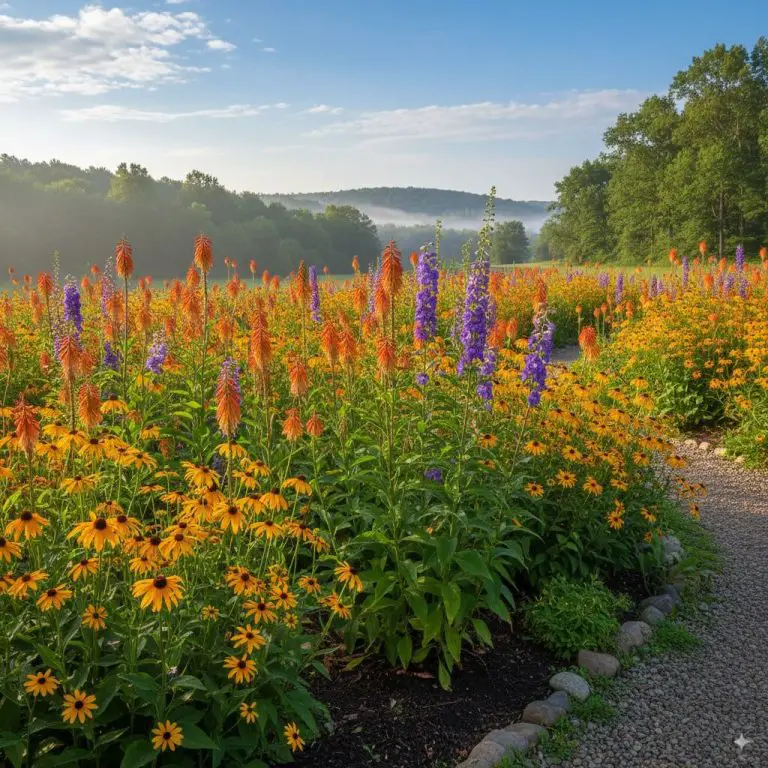
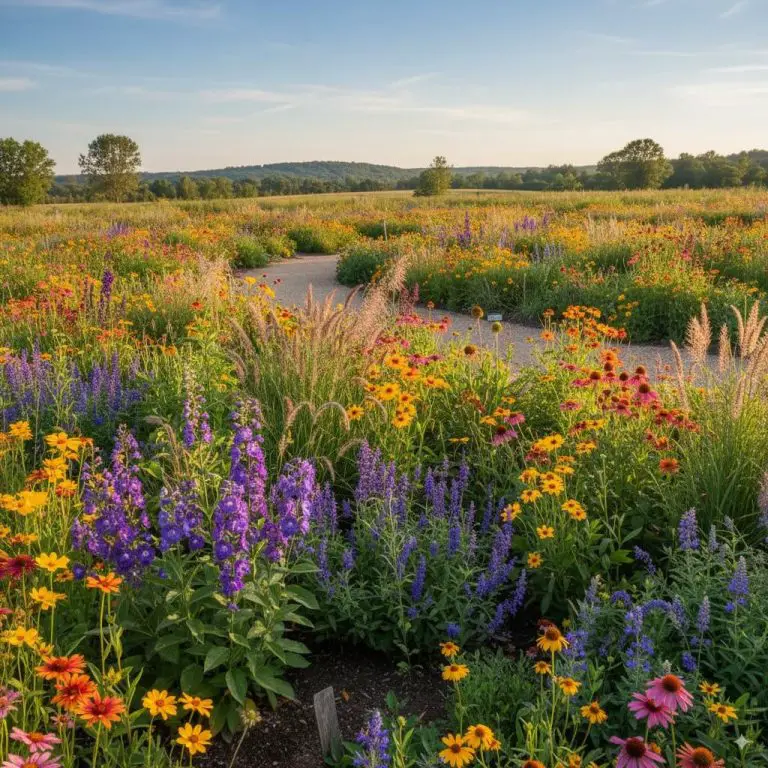
Watching a sea of yellow flowers sway in the summer breeze is one of the greatest joys of gardening. It brings a sense of wild, natural beauty to any backyard or landscape.
Remember that the answer to do black-eyed susans bloom all summer is a resounding “yes,” provided you give them the sun, water, and occasional pruning they crave.
Don’t be afraid to get your hands dirty and experiment with different varieties. Gardening is a journey of learning, and these resilient plants are the perfect companions for that adventure.
Go forth, grab your garden gloves, and start planting. Your future self—standing in a garden full of golden blooms—will definitely thank you for the effort you put in today!

- How Much Sun Do Petunias Need – For A Vibrant, Non-Stop Floral - September 15, 2026
- Do Petunias Like Full Sun Or Shade – Unlocking Your Best Summer Blooms - September 15, 2026
- Best Petunias For Shade – Choosing The Right Blooms For Dim Corners - September 15, 2026