Spiky Flowering Plants: Your Guide To Creating Stunning Texture
Hello, fellow gardeners! Take a look at your garden beds. Do they feel a little… soft? A bit too rounded and uniform? It’s a common challenge we all face—creating a garden that has rhythm, excitement, and visual punch.
If you’re craving a landscape with more personality and architectural flair, the answer might be simpler than you think. It’s time to embrace the bold, beautiful world of spiky flowering plants. These aren’t just prickly cacti; they are elegant, dynamic plants that send gorgeous blooms soaring towards the sky.
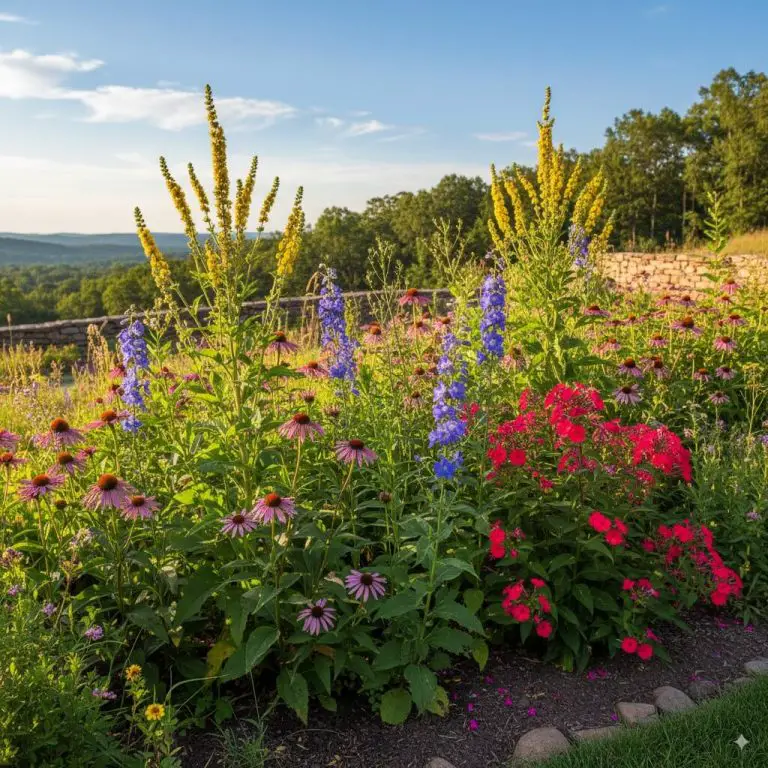
Imagine your flower beds transformed with dramatic, vertical accents that draw the eye upward, creating a stunning contrast against softer, mounding plants. You can achieve a professional, layered look that’s buzzing with pollinators and bursting with color.
In this complete spiky flowering plants guide, we’ll walk you through everything you need to know. From our favorite, easy-to-grow varieties to expert care tips, you’ll discover how to add that perfect touch of spiky magic to your garden. Let’s get growing!
What's On the Page
Why Every Garden Needs a Touch of Spiky Drama
Think of your garden as a painting. You have your background colors and your foundational shapes. But what makes it truly captivating? Contrast and form. This is where spiky plants shine, and understanding the benefits of spiky flowering plants is the first step to designing a more dynamic space.

🌿 The Companion Planting & Gardening Book (eBook)
Bigger harvests, fewer pests — natural pairings & simple layouts. $2.40
Get – $2.40
🪴 The Pest-Free Indoor Garden (eBook)
DIY sprays & soil tips for bug-free houseplants. $1.99
Get – $1.99They act as “exclamation points” in the landscape, breaking up monotony and guiding the eye through your design. Their strong vertical lines contrast beautifully with the soft, rounded forms of plants like hostas, geraniums, or hydrangeas.
Architectural Interest and Vertical Lift
Spiky flowers provide structure that lasts all season. Even before they bloom, their blade-like foliage adds texture. When their flower stalks shoot up, they create a sense of height and grandeur that can make a small garden feel larger and a large garden feel more organized.
A Magnet for Pollinators
Many spiky bloomers, like Salvia, Liatris, and Agastache, are irresistible to bees, butterflies, and hummingbirds. Their tower-like structures are lined with dozens of individual florets, creating a long-lasting buffet for our buzzing friends. This is a core component of creating eco-friendly spiky flowering plants beds.
Low-Maintenance Beauty
Don’t let their dramatic looks fool you! Many of these plants are incredibly resilient. A large number are drought-tolerant once established, requiring less water and fuss than their thirstier garden companions. This makes them a fantastic choice for sustainable gardening.
Our Top 10 Spiky Flowering Plants for Every Garden
Ready to add some vertical punch? Here are ten of our absolute favorite spiky bloomers, perfect for gardeners of all levels. We’ve included a mix of perennials and annuals to suit any garden plan.
1. Liatris (Blazing Star)
A North American native prairie plant, Liatris is as tough as it is beautiful. Its fuzzy flower spikes uniquely bloom from the top down. It’s a pollinator powerhouse and fantastic for cut flower arrangements.
- Sun: Full sun
- Soil: Well-drained soil; tolerates poor soil.
- Pro Tip: Plant the corms in the fall for a spectacular show the following summer. They rarely need staking, standing tall and proud on their own.
2. Salvia (Meadow Sage)
If you want a long-blooming, workhorse plant, look no further than Salvia. Varieties like ‘May Night’ and ‘Caradonna’ produce intense violet-blue spikes from late spring through summer. Don’t worry—these flowers are perfect for beginners!
- Sun: Full sun
- Soil: Average, well-drained soil.
- Pro Tip: Shear the plants back after their first flush of blooms to encourage a second, vibrant show in late summer or early fall.
3. Red Hot Poker (Kniphofia)
For a truly dramatic and exotic look, Kniphofia is a must-have. Its torch-like blooms come in fiery shades of red, orange, and yellow. The grass-like foliage adds texture even when the plant isn’t in bloom.
- Sun: Full sun
- Soil: Well-drained, even sandy, soil is crucial. They hate wet feet, especially in winter.
- Pro Tip: Choose a variety suited to your zone. Some are hardier than others. Don’t cut back the foliage in fall; it helps protect the crown through winter.
4. Sea Holly (Eryngium)
Sea Holly brings a unique metallic blue color and prickly texture to the garden. Its thistle-like flowers are surrounded by spiny bracts, creating an intricate, almost otherworldly look. They are incredibly drought-tolerant.
- Sun: Full sun
- Soil: Poor, dry, sandy soil. They thrive on neglect!
- Pro Tip: Eryngium has a long taproot, so it resents being moved. Choose your planting spot carefully and you’ll be rewarded for years.
5. Foxglove (Digitalis)
A classic cottage garden favorite, Foxglove adds elegance and height to partially shaded spots. Its tall spires are lined with beautiful, bell-shaped flowers. Most are biennial, meaning they grow foliage the first year and flower the second.
- Sun: Part shade to full sun
- Soil: Rich, moist, well-drained soil.
- Pro Tip: Allow some plants to go to seed, and they will self-sow throughout your garden, creating a natural, whimsical look. Note: All parts of the foxglove plant are toxic if ingested.
6. Delphinium
The queen of spiky flowers, Delphiniums produce majestic spires of densely packed flowers in true blues, purples, and whites. They can be a bit fussy, but their stunning beauty is worth the effort.
- Sun: Full sun, with protection from strong winds.
- Soil: Rich, fertile, consistently moist soil.
- Pro Tip: Delphiniums are heavy feeders and often require staking to support their heavy blooms. A sheltered spot against a fence or wall is ideal.
7. Yucca (Adam’s Needle)
For year-round architectural interest, Yucca is unmatched. Its sword-like, evergreen foliage provides a bold statement. In summer, it sends up a towering stalk adorned with large, creamy-white, bell-shaped flowers.
- Sun: Full sun
- Soil: Thrives in dry, sandy, well-drained soil. Extremely drought-tolerant.
- Pro Tip: Be mindful of its sharp leaf tips. Plant it away from high-traffic paths where people might brush against it.
8. Agapanthus (Lily of the Nile)
Agapanthus brings a cool, sophisticated air with its globes of blue or white trumpet-shaped flowers held high on leafless stems. It’s perfect for modern gardens and grows exceptionally well in containers.
- Sun: Full sun to light shade.
- Soil: Well-drained soil.
- Pro Tip: In colder climates, grow Agapanthus in pots that can be moved to a protected location (like a garage) for the winter. They bloom best when slightly root-bound.
9. Allium (Ornamental Onion)
While their flower heads are round, Alliums achieve their spiky effect from their tall, straight, leafless stems that punctuate the garden like lollipops. Varieties like ‘Globemaster’ are true showstoppers.
- Sun: Full sun
- Soil: Well-drained soil.
- Pro Tip: The foliage tends to yellow and die back before the flowers appear. Plant them behind other perennials to hide the fading leaves.
10. Acanthus (Bear’s Breeches)
Known for its dramatic, deeply lobed leaves that inspired ancient Greek columns, Acanthus also produces impressive spikes of white or pinkish flowers with spiny purple bracts. It makes a bold statement in the back of a border.
- Sun: Full sun to part shade.
- Soil: Deep, fertile, well-drained soil.
- Pro Tip: Acanthus can spread aggressively in ideal conditions. Consider installing a root barrier if you want to keep it contained.
Your Complete Spiky Flowering Plants Care Guide
You’ve picked your plants, now what? The good news is that most spiky wonders are quite forgiving. Following a few spiky flowering plants best practices will ensure they thrive and bring you joy year after year. This is how to grow spiky flowering plants with confidence.
Planting for Success
Proper planting is the foundation of a healthy garden. For most spiky plants, the number one rule is good drainage. They despise sitting in waterlogged soil.
- Amend heavy clay soil with compost or grit to improve its structure.
- Dig a hole that is twice as wide as the plant’s root ball but no deeper.
- Ensure the crown of the plant (where the stem meets the roots) is level with or slightly above the soil surface. Planting too deep is a common mistake!
- Space plants according to their mature size to ensure good air circulation, which helps prevent fungal diseases.
Watering Wisdom
Many of our spiky favorites, like Yucca and Sea Holly, are drought-tolerant once established. However, all new plants need regular watering during their first year to develop a strong root system.
- Water deeply and infrequently rather than giving shallow, frequent sprinkles. This encourages roots to grow deep into the soil.
- Check the soil with your finger. If it’s dry an inch or two down, it’s time to water.
- Mulching with wood chips or compost can help retain soil moisture and reduce your watering chores, a key part of any sustainable spiky flowering plants strategy.
Pruning and Deadheading
A little tidying up goes a long way. Deadheading (removing spent flowers) can encourage some plants, like Salvia and Delphinium, to produce a second round of blooms. For others, like Sea Holly and Liatris, the spent flower heads provide wonderful winter interest and food for birds, so you can leave them standing.
Solving Common Problems with Spiky Flowering plants
Even the toughest plants can run into trouble. Don’t worry! Here’s a quick look at some common problems with spiky flowering plants and how to fix them.
Why Aren’t My Plants Blooming?
This is a frequent question. The most common culprit is a lack of sunlight. Most spiky bloomers need at least 6 hours of direct sun per day. Another reason could be over-fertilizing with nitrogen, which promotes leafy growth at the expense of flowers. A balanced, low-nitrogen fertilizer is usually best.
Dealing with Pests and Diseases
Good spacing and air circulation are your best defense. Powdery mildew can sometimes affect plants like Delphiniums in humid weather. If you spot it, remove affected leaves and consider a natural fungicide spray. Aphids might congregate on new growth; a strong blast of water from the hose is often enough to dislodge them.
Leggy or Flopping Stems
If your tall plants are flopping over, they may need more sun or could be getting too much nitrogen. For plants like Delphiniums, staking is often necessary. For bushier perennials like Salvia, you can perform the “Chelsea chop” in late spring—cutting the plant back by about a third to encourage sturdier, more compact growth and slightly later blooms.
Frequently Asked Questions About Spiky Flowering Plants
Are all spiky flowering plants sharp to the touch?
Not at all! It’s important to distinguish between “spiky” in form and “prickly” in texture. Plants like Salvia, Liatris, and Foxglove have a spiky shape but are soft to the touch. Others, like Sea Holly or Yucca, do have sharp points and should be planted with care, away from walkways.
Can I grow spiky flowering plants in containers?
Absolutely! Many are perfect for pots. Agapanthus, Salvia, and smaller varieties of Red Hot Poker thrive in containers. This is a great way to control their size and soil conditions, and you can create stunning “thriller, filler, spiller” arrangements with a spiky plant as your thriller.
What are the best spiky flowering plants for beginners?
If you’re just starting out, you can’t go wrong with Liatris, perennial Salvia (like ‘May Night’), or Yucca. These three are incredibly forgiving, drought-tolerant, and reliable performers that will give you a huge confidence boost.
Ready to Add Some Edge to Your Garden?
There you have it—your complete guide to the wonderful world of spiky flowering plants. By incorporating these vertical superstars, you’re not just planting flowers; you’re designing a landscape with depth, texture, and all-season interest.
You’re creating a garden that’s more visually exciting and more inviting to pollinators. You’re adding that final, professional touch that transforms a simple collection of plants into a cohesive, breathtaking design.
So, take a look at your garden, find that perfect spot that needs a lift, and get ready to add some beautiful, spiky character. Happy gardening!

- Insecticidal Super Soap – Your Ultimate Guide To Eco-Friendly Pest - December 12, 2025
- What Can Happen If You Eat Mold – A Gardener’S Guide To Food Safety & - December 12, 2025
- Nutrients And Plant Growth – Unlock Your Garden’S Full Potential With - December 12, 2025