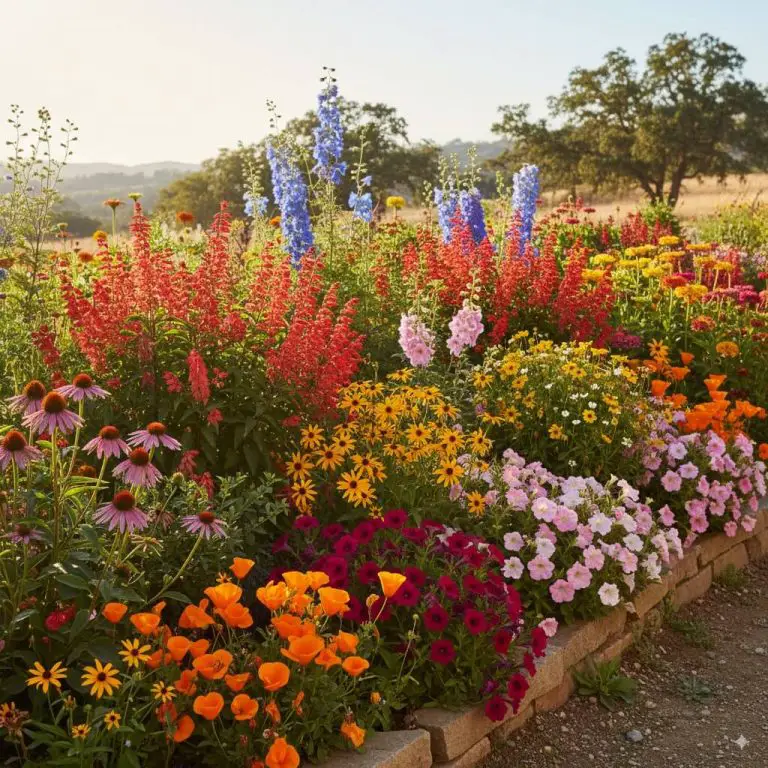
Outdoor Potted Flowering Plants – Your Complete Guide To Thriving
Dreaming of a patio, balcony, or doorstep bursting with vibrant color, but feel limited by a lack of garden space or tricky soil? You’re not alone. So many of us crave that connection to nature and the simple joy of watching something grow.
I promise that with the right know-how, anyone can create a stunning and successful container garden. This guide is your friendly companion, designed to give you the confidence and the exact steps you need to transform empty pots into magnificent displays of color.
Together, we’ll walk through everything you need to know about outdoor potted flowering plants. We’ll cover choosing the perfect plants and pots, mastering the secrets of watering and feeding, and even how to troubleshoot common issues like a seasoned pro. Let’s get started on your beautiful gardening journey!
What's On the Page
- 1 The Undeniable Benefits of Outdoor Potted Flowering Plants
- 2 Choosing Your Champions: The Best Flowers for Pots
- 3 The Foundation of Success: A Complete Outdoor Potted Flowering Plants Guide
- 4 Your Essential Outdoor Potted Flowering Plants Care Guide
- 5 Troubleshooting Common Problems with Outdoor Potted Flowering Plants
- 6 Embracing Sustainable Outdoor Potted Flowering Plants
- 7 Frequently Asked Questions About Outdoor Potted Flowering Plants
- 8 Your Journey to a Beautiful Container Garden Starts Now
The Undeniable Benefits of Outdoor Potted Flowering Plants
Before we dig into the “how-to,” let’s talk about the “why.” Container gardening is so much more than just a trend; it’s a wonderfully accessible way to garden. The benefits of outdoor potted flowering plants are a huge reason they are so popular with gardeners of every skill level.
- Ultimate Flexibility: Don’t like where you put that pot? Move it! As the sun’s path changes throughout the seasons, you can easily shift your containers to ensure they’re getting the perfect amount of light. This mobility is a game-changer.
- Total Soil Control: If you’re dealing with heavy clay, sandy soil, or just poor-quality earth, pots are your best friend. You get to create the perfect growing medium for your plants from the start, giving them a huge advantage.
- Perfect for Any Space: Whether you have a tiny balcony, a small patio, or a grand entryway, there’s a pot and a plant to fit. Containers allow you to bring life and color to spaces where an in-ground garden simply isn’t possible.
- Instant Impact: Need to spruce up your outdoor space for a party this weekend? A few beautifully planted containers can instantly transform a drab area into a welcoming, colorful oasis.
- A Buffet for Pollinators: By choosing the right flowers, your potted garden can become a vital food source for bees, butterflies, and hummingbirds, turning your little corner of the world into a buzzing, lively ecosystem.
Choosing Your Champions: The Best Flowers for Pots
The secret to a stunning container garden starts with choosing the right plants for your conditions. Don’t worry—these flowers are perfect for beginners! Think about how much sun your area gets before you head to the garden center.

🌿 The Companion Planting & Gardening Book (eBook)
Bigger harvests, fewer pests — natural pairings & simple layouts. $2.40
Get – $2.40
🪴 The Pest-Free Indoor Garden (eBook)
DIY sprays & soil tips for bug-free houseplants. $1.99
Get – $1.99Sun-Lovers: For Bright, Sunny Spots (6+ hours of direct sun)
These tough bloomers thrive in the heat and will reward you with a non-stop flower show.
- Geraniums (Pelargonium): The absolute classic container flower for a reason. They are incredibly drought-tolerant, come in a rainbow of colors, and bloom their hearts out with very little fuss.
- Petunias: These are the workhorses of the annual world. Whether you choose trailing varieties for hanging baskets or mounding types for pots, they provide an astonishing amount of color all summer long.
- Lantana: If you want to attract every butterfly in the neighborhood, plant Lantana. It adores heat, thrives on a bit of neglect, and its multi-colored flower clusters are simply stunning.
- Marigolds (Tagetes): Cheerful, easy to grow from seed, and known for repelling certain garden pests, marigolds are a fantastic and functional choice. Their warm yellows, oranges, and reds are pure sunshine in a pot.
Shade Dwellers: For Cooler, Covered Areas (Less than 4 hours of direct sun)
Low light doesn’t mean no color! These plants will brighten up any shady corner.
- Impatiens: For sheer flower power in the shade, nothing beats impatiens. They create lush mounds of vibrant color and are incredibly easy to care for, as long as they get consistent moisture.
- Begonias: From waxy-leaved bedding begonias to dramatic tuberous varieties, there’s a begonia for every taste. Many offer both beautiful flowers and striking foliage, giving you a double dose of beauty.
- Fuchsia: Perfect for hanging baskets, fuchsias produce exquisite, dangling flowers that look like tiny dancing ballerinas. They love cool, shady spots and will attract hummingbirds.
- Coleus: While traditionally grown for its incredibly colorful foliage, many modern coleus varieties also produce lovely flower spikes. They provide season-long color even when not in bloom and are a must-have for shade containers.
The Foundation of Success: A Complete Outdoor Potted Flowering Plants Guide
Now for the fun part: getting your hands dirty! Following this simple outdoor potted flowering plants guide will set you up for a season of success. This is where we learn how to outdoor potted flowering plants the right way.
Picking the Perfect Pot
Your container is your plant’s home, so it’s important to choose wisely. It’s not just about looks!
- Material Matters: Terracotta is classic and breathable but dries out quickly. Glazed ceramic pots retain moisture better and come in beautiful designs. Plastic pots are lightweight, affordable, and great at holding water. Fabric grow bags are excellent for root health due to superior aeration.
- Size is Crucial: It’s tempting to put a small plant in a small pot, but this is a common mistake. Give your plants room to grow! A larger pot holds more soil and water, which means less stress for the plant and less work for you.
- Drainage is Non-Negotiable: This is the most important rule of container gardening. If your pot doesn’t have holes in the bottom, it’s not a planter, it’s a bucket. Roots sitting in water will rot, which is a swift end for any plant. If you fall in love with a pot that has no holes, you must drill some yourself.
The Magic Ingredient: Potting Mix
Do not, under any circumstances, fill your pots with soil from your garden. Garden soil is too heavy, compacts easily, and can contain weed seeds and pests. Always use a quality potting mix.
Look for a mix that contains ingredients like peat moss or coconut coir (for moisture retention), perlite or vermiculite (for aeration and drainage), and compost or worm castings (for a gentle dose of nutrients). This fluffy, well-draining medium is the ideal environment for healthy roots.
Planting Your Flowers Like a Pro
A great design tip for creating a professional-looking container is the “Thriller, Filler, Spiller” method. It’s one of the best outdoor potted flowering plants tips for beginners.
- Thriller: This is your tall, eye-catching centerpiece. Think of a spiky Dracaena, a tall Salvia, or a flowing ornamental grass.
- Filler: These are mounding plants that fill in the middle and surround the thriller. Geraniums, petunias, or coleus work perfectly here.
- Spiller: These are trailing plants that cascade over the edge of the pot, softening the look. Think of Sweet Potato Vine, Creeping Jenny, or Wave Petunias.
Your Essential Outdoor Potted Flowering Plants Care Guide
You’ve planted your beautiful containers! Now what? Consistent care is the key to keeping them looking fabulous all season. This outdoor potted flowering plants care guide covers the essential best practices.
The Art of Watering
Overwatering is the number one killer of container plants. Instead of watering on a rigid schedule, check your plants daily. The best method is the simple finger test: stick your finger about two inches into the soil. If it feels dry, it’s time to water. If it’s damp, check again tomorrow.
When you do water, do so deeply until you see water running out of the drainage holes. This encourages deep root growth and flushes out any salt buildup. Watering in the morning is ideal, as it allows the foliage to dry before nightfall, which helps prevent fungal diseases.
Feeding for Fabulous Flowers
All that blooming takes a lot of energy! Because you’re watering frequently, nutrients get washed out of the soil in pots much faster than in a garden bed. To keep your plants happy and productive, you’ll need to feed them.
A balanced, water-soluble fertilizer applied every 2-4 weeks during the growing season is a great choice. Alternatively, you can mix slow-release fertilizer granules into your potting mix at planting time, which will feed your plants for several months.
Deadheading for More Blooms
“Deadheading” is simply the process of pinching or cutting off spent, faded flowers. This might seem tedious, but it’s one of the most effective ways to encourage more blooms. By removing old flowers, you stop the plant from putting energy into making seeds and redirect that energy into producing more beautiful blossoms.
Troubleshooting Common Problems with Outdoor Potted Flowering Plants
Even the most experienced gardeners run into issues. Don’t be discouraged! Here’s how to tackle some common problems with outdoor potted flowering plants.
Yellowing Leaves: What’s the Cause?
This is the most frequent question I get. Yellow leaves can be a sign of a few different things, but the most common culprit is overwatering. Check the soil moisture first. Other causes can include underwatering (the leaves will often be crispy, too) or a nutrient deficiency, usually nitrogen. If the soil is consistently soggy, let it dry out. If it’s been a while since you fertilized, it might be time for a feeding.
Pesky Pests and How to Handle Them
Aphids and spider mites are common pests on container plants. The good news is they’re usually easy to manage. Often, a strong blast of water from the hose is enough to dislodge them. For more stubborn infestations, an application of insecticidal soap or neem oil is a great, eco-friendly option.
My Plants Look Leggy and Aren’t Blooming!
“Leggy” plants—those with long, sparse stems and few leaves—are almost always stretching for more light. If your sun-loving plants are looking weak, they likely aren’t getting the 6+ hours of direct sun they crave. Try moving the pot to a sunnier location. A lack of blooms can also be caused by insufficient light, a lack of fertilizer, or a need for deadheading.
Embracing Sustainable Outdoor Potted Flowering Plants
Your garden can be beautiful and kind to the planet at the same time. Adopting a few eco-friendly outdoor potted flowering plants practices is easy and impactful.
For a truly sustainable outdoor potted flowering plants setup, consider using peat-free potting mixes, which rely on renewable resources like coconut coir. You can also make your own compost to enrich your soil naturally. To conserve water, group plants with similar needs together and add a layer of mulch (like wood chips or shredded bark) to the top of your pots to reduce evaporation.
Frequently Asked Questions About Outdoor Potted Flowering Plants
How often should I repot my flowering plants?
Most annuals will be happy in their pot for the entire season. Perennials in pots may need to be repotted into a larger container every 1-2 years, or when you notice they dry out extremely quickly or their roots are growing out of the drainage holes.
Can I leave my potted plants outside during winter?
It depends on the plant and your climate. Annuals will complete their life cycle and die with the first hard frost. Hardy perennials may survive the winter in a pot, especially if the pot is large and you provide some protection (like moving it to a sheltered spot against the house). Tender perennials will need to be brought indoors.
What are the best low-maintenance outdoor potted flowers for beginners?
For sun, you can’t go wrong with Geraniums, Marigolds, or Zinnias. They are very forgiving. For shade, Wax Begonias and Impatiens are excellent choices that provide tons of color with minimal fuss.
Why are the leaves on my potted geraniums turning red or orange?
This is a classic sign of stress, but it’s usually not serious! It’s often caused by cool temperatures, especially in the spring or fall. It can also be a sign that the plant is “pot-bound” (its roots have filled the container) or that it needs a dose of fertilizer containing magnesium.
Your Journey to a Beautiful Container Garden Starts Now
There you have it—your complete guide to creating a vibrant and thriving container garden. Remember the key takeaways: choose the right plant for your light, use a quality potting mix in a pot with drainage, water when the soil is dry, and feed regularly for the best show.
Container gardening isn’t about perfection; it’s about the joy of creating something beautiful, connecting with nature, and learning as you go. Don’t be afraid to experiment with different colors and textures.
Start with one or two pots, and watch how they transform your space and lift your spirits. Now, go get your hands dirty and grow something wonderful!

- Green With Flies – Conquer Garden Pests For Lush, Healthy Growth - January 7, 2026
- Red Bug Spray – Your Essential Guide To A Pest-Free Garden - January 7, 2026
- Green And Blue Plants – Crafting Serene Gardens With Stunning Hues - January 7, 2026