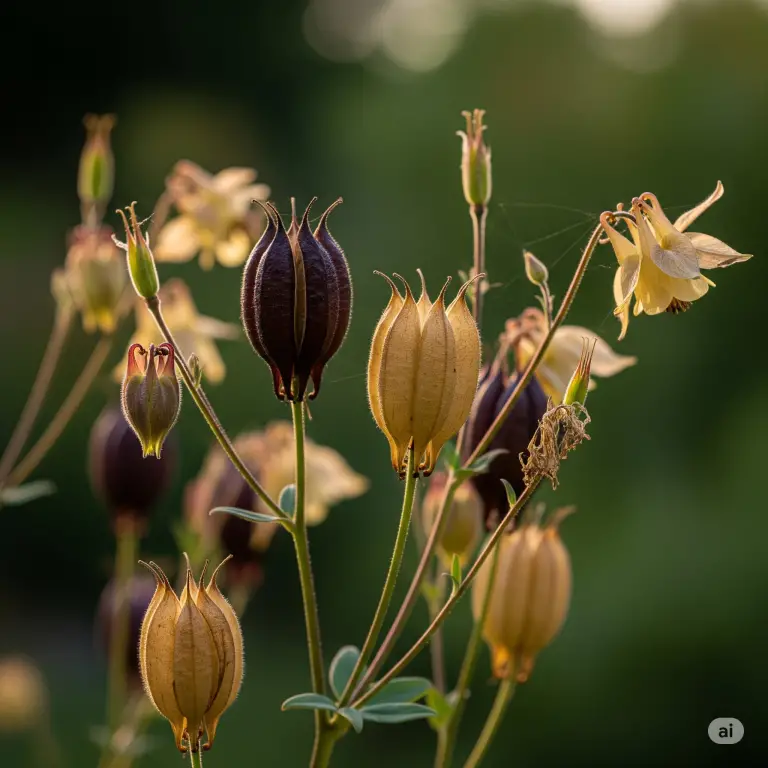
Natural Fly Repellents – Your Guide To A Buzz-Free, Beautiful Garden
Ah, the joys of gardening! The scent of fresh earth, the vibrant colors of blooming flowers, the satisfaction of harvesting your own produce… it’s truly a slice of heaven. But let’s be honest, there’s one unwelcome guest that can quickly turn that heaven into a headache: flies. Whether they’re buzzing around your patio, landing on your freshly picked tomatoes, or just generally making a nuisance of themselves, these persistent pests can dampen even the sunniest gardening day.
You’re probably here because you’re tired of chemical sprays and want a more harmonious approach. And you’re in the right place! At Greeny Gardener, we believe in working with nature, not against it. That’s why we’re diving deep into the world of natural fly repellents. Imagine a garden where beneficial insects thrive, your plants are healthy, and you can relax without constant swatting. We promise to equip you with the knowledge and practical tips to achieve just that, transforming your outdoor space into a sanctuary for you, not for flies.
In this comprehensive guide, we’ll explore everything from planting natural deterrents to crafting your own eco-friendly sprays, covering the best practices and even troubleshooting common problems. Get ready to reclaim your garden!
What's On the Page
- 1 Understanding the Buzz: Why Natural Fly Repellents Matter
- 2 Your Garden’s First Line of Defense: Repellent Plants
- 3 DIY Natural Fly Repellents: Sprays and Sachets You Can Make Today
- 4 Beyond Sprays and Plants: Sustainable Natural Fly Repellents Best Practices
- 5 Troubleshooting: Common Problems with Natural Fly Repellents & How to Overcome Them
- 6 Integrating Your Natural Fly Repellents Strategy for Maximum Impact
- 7 Frequently Asked Questions About Natural Fly Repellents
- 8 Conclusion: Embrace a Buzz-Free, Beautiful Garden
Understanding the Buzz: Why Natural Fly Repellents Matter
Before we dive into the “how-to,” let’s chat about the “why.” Choosing natural fly repellents isn’t just about avoiding a few pesky insects; it’s about fostering a healthier, more vibrant garden ecosystem. You’re not just repelling flies; you’re investing in the long-term well-being of your entire outdoor space.
The benefits of natural fly repellents extend far beyond immediate pest control. They align perfectly with a sustainable, eco-friendly gardening philosophy. Here’s why making the switch is such a smart move:

🌿 The Companion Planting & Gardening Book (eBook)
Bigger harvests, fewer pests — natural pairings & simple layouts. $2.40
Get – $2.40
🪴 The Pest-Free Indoor Garden (eBook)
DIY sprays & soil tips for bug-free houseplants. $1.99
Get – $1.99- Healthier for You and Your Family: Chemical sprays can introduce harmful toxins into your environment, which isn’t ideal for children, pets, or anyone spending time in the garden. Natural options eliminate this concern.
- Kinder to Beneficial Insects: Many chemical repellents are broad-spectrum, meaning they harm good insects (like pollinators and predators) along with the bad. Natural methods are often more selective, allowing your garden’s helpful residents to thrive.
- Better for the Environment: Runoff from chemical pesticides can contaminate soil and water sources. Opting for sustainable natural fly repellents reduces your environmental footprint.
- Nourishes Your Soil: Many natural deterrents, like certain plants, actually improve soil health and attract beneficial microorganisms.
- Cost-Effective: Growing repellent plants or making your own sprays can be significantly cheaper than repeatedly buying commercial products.
Embracing these methods is a crucial step towards creating a truly resilient and beautiful garden. It’s about working *with* nature, not against it, for a buzz-free haven.
Your Garden’s First Line of Defense: Repellent Plants
One of the most enjoyable and effective ways to implement natural fly repellents is by strategically planting herbs and flowers that flies simply can’t stand. Not only do these plants deter pests, but they also add beauty, fragrance, and often culinary delight to your garden. This is truly the foundation of any good natural fly repellents guide.
Lavender: The Sweet Scent Flies Hate
Everyone loves the soothing scent of lavender—everyone, that is, except flies. This beautiful purple-flowered herb is a fantastic natural deterrent.
- How to Use: Plant lavender along pathways, near seating areas, or in pots on your patio. Its strong scent repels flies, mosquitoes, and even moths.
- Care Tip: Lavender thrives in full sun and well-drained soil. It’s quite drought-tolerant once established. Don’t worry—these flowers are perfect for beginners!
Marigolds: Bright Blooms, Big Protection
These cheerful, easy-to-grow annuals are famous for their pest-repelling qualities. Marigolds release compounds that flies and many other insects find offensive.
- How to Use: Plant marigolds directly in your garden beds, especially around vegetable patches, or in containers near entryways.
- Care Tip: Marigolds prefer full sun and regular watering, but they are generally very forgiving. Deadhead spent blooms to encourage more flowers.
Basil: Your Culinary & Pest-Fighting Friend
Basil isn’t just for pesto; it’s also a powerful natural fly repellent! Its pungent aroma is a major turn-off for flies.
- How to Use: Keep pots of basil on your patio table, near your kitchen door, or interplant it with tomatoes and other vegetables.
- Care Tip: Basil loves warmth and plenty of sun. Keep the soil consistently moist and pinch off flower buds to encourage bushier growth.
Mint: Aromatic and Invasive (in a Good Way!)
Mint varieties, like peppermint and spearmint, are incredibly aromatic and great at deterring flies. Be warned, though: mint can be quite aggressive in the garden!
- How to Use: Plant mint in containers to prevent it from taking over your garden beds. Place pots near areas where flies congregate. You can also crush leaves and rub them on outdoor surfaces.
- Care Tip: Mint enjoys partial shade to full sun and moist soil. Regular harvesting will keep it bushy and productive.
Citronella Grass: The Classic Repellent
While often associated with candles, citronella grass (Cymbopogon nardus or Cymbopogon winterianus) is a beautiful, tall ornamental grass that naturally repels flies and mosquitoes.
- How to Use: Plant it in large containers on your patio or in strategic spots in your garden. For maximum effect, lightly bruise the leaves to release their oils.
- Care Tip: Citronella grass loves full sun and warm climates. In cooler zones, it’s best grown as an annual or brought indoors for winter.
Rosemary: Fragrant and Formidable
This woody herb, known for its culinary uses, also boasts excellent fly-repelling properties. Its strong, piney scent is highly effective.
- How to Use: Grow rosemary in pots or directly in sunny garden beds. You can also burn sprigs on a grill or fire pit to release its repellent smoke.
- Care Tip: Rosemary thrives in full sun and well-drained soil. It’s relatively drought-tolerant once established.
By incorporating a mix of these wonderful plants, you’re not just creating a beautiful garden; you’re building a living, breathing barrier against unwanted pests. It’s a truly eco-friendly natural fly repellents strategy!
DIY Natural Fly Repellents: Sprays and Sachets You Can Make Today
Sometimes, plants aren’t quite enough, or you need a portable solution. That’s where homemade natural fly repellents come in! Crafting your own sprays and sachets is a fun, easy, and incredibly effective way to keep flies at bay. These natural fly repellents tips are perfect for any gardener.
Essential Oil Sprays: Potent and Portable
Essential oils are highly concentrated plant extracts that can be incredibly powerful deterrents. Making your own spray is simple and customizable.
What You’ll Need:
- A clean spray bottle (glass is best for essential oils)
- Distilled water
- Witch hazel or rubbing alcohol (as an emulsifier)
- Essential oils known to repel flies:
- Lemon Eucalyptus
- Peppermint
- Lavender
- Lemongrass
- Geranium
- Clove
How to Make It:
- Fill your spray bottle about halfway with distilled water.
- Add a splash (about 1-2 tablespoons) of witch hazel or rubbing alcohol. This helps the oils disperse in the water.
- Add 20-30 drops of your chosen essential oils. A good blend might be 10 drops peppermint, 10 drops lemongrass, and 10 drops lavender.
- Top off the bottle with more distilled water, leaving a little room at the top.
- Shake well before each use.
Pro Tip: Spray this mixture around doorways, on patio furniture (test a small area first!), or even lightly mist your garden tools. Avoid spraying directly on delicate plant leaves, as concentrated oils can sometimes cause burns. This is one of the most versatile how to natural fly repellents methods!
Apple Cider Vinegar Traps: Simple & Effective
Flies are attracted to the sweet, fermenting scent of apple cider vinegar, making it an excellent bait for a simple trap.
What You’ll Need:
- A small bowl or jar
- Apple cider vinegar
- A few drops of dish soap
- Plastic wrap (optional)
- Rubber band (optional)
How to Make It:
- Pour about an inch of apple cider vinegar into the bowl or jar.
- Add 2-3 drops of dish soap. The soap breaks the surface tension of the vinegar, causing flies to sink when they land.
- (Optional) Cover the top with plastic wrap and poke several small holes in it. This makes it harder for flies to escape once they’re inside.
- Place the trap in areas where flies are a problem, such as near outdoor dining areas or compost bins.
Empty and refresh the trap every few days for best results.
Spice Sachets: Aromatic Barriers
Certain spices, when dried, retain their repellent properties and can be used to create aromatic sachets.
What You’ll Need:
- Small muslin bags or pieces of breathable fabric
- Dried cloves
- Dried bay leaves
- Dried rosemary
- Cinnamon sticks (broken into pieces)
How to Make It:
- Combine a mix of your chosen dried spices in a small bowl.
- Spoon the mixture into muslin bags or tie it securely in a piece of fabric.
- Hang these sachets near windows, doorways, or in sheds where flies tend to gather.
Refresh the sachets every few weeks by adding new spices or crushing the existing ones to release more scent. These DIY solutions are fantastic for maintaining a garden that’s beautiful and buzz-free.
Beyond Sprays and Plants: Sustainable Natural Fly Repellents Best Practices
Effective fly control isn’t just about what you spray or plant; it’s also about good garden management. Adopting sustainable natural fly repellents strategies that focus on overall garden health can significantly reduce fly populations. Think of these as your natural fly repellents care guide for the entire garden.
Garden Hygiene: Keep it Clean!
Flies are attracted to decaying organic matter. A clean garden is a less inviting garden for pests.
- Prompt Cleanup: Regularly remove fallen fruit, overripe vegetables, and dead plant material. These can quickly become breeding grounds.
- Pet Waste: If you have pets, ensure their waste is cleaned up daily. This is a major attractant for many types of flies.
- Garbage Bins: Keep outdoor garbage cans tightly sealed. Rinse them out periodically to remove lingering odors and residues.
Composting Wisely: Friend or Foe?
Compost piles are magnets for flies if not managed correctly. But don’t abandon composting—it’s too valuable!
- Balance “Greens” and “Browns”: Ensure your compost pile has a good mix of nitrogen-rich “greens” (food scraps, grass clippings) and carbon-rich “browns” (leaves, wood chips). A balanced pile heats up properly, which deters flies.
- Bury Food Scraps: When adding food scraps, especially fruit and vegetable waste, bury them deep within the pile and cover them with a layer of “browns.” This prevents flies from accessing them.
- Turn Regularly: Turning your compost pile frequently helps aerate it, maintains heat, and discourages pests.
Water Management: Eliminate Breeding Grounds
Many flies, particularly mosquitoes, need standing water to lay their eggs. Eliminating stagnant water is a critical step.
- Empty Containers: Regularly empty saucers under pots, bird baths, old tires, and any other containers that collect water.
- Drainage: Ensure your garden has good drainage to prevent puddles from forming after rain or irrigation.
- Rain Barrels: If you use rain barrels, make sure they are tightly sealed or screened to prevent insect entry.
Attract Beneficial Insects: Nature’s Pest Control
Not all insects are bad! Many beneficial insects, like dragonflies, hoverflies, and certain wasps, are natural predators of flies and their larvae.
- Plant Nectar-Rich Flowers: Attract beneficial insects by planting a diverse array of flowers, especially those with small, open blooms like dill, fennel, cosmos, and sunflowers.
- Avoid Broad-Spectrum Pesticides: Sticking to your eco-friendly natural fly repellents strategy means you won’t harm the good guys.
By integrating these practices, you’re not just repelling flies; you’re building a more resilient, self-sustaining garden ecosystem. It’s truly the mark of a seasoned gardener!
Troubleshooting: Common Problems with Natural Fly Repellents & How to Overcome Them
Even with the best intentions, you might occasionally find yourself wondering, “Why isn’t this working?” It’s a common question, and understanding the common problems with natural fly repellents is key to finding effective solutions. Don’t get discouraged; a little adjustment can make all the difference!
Problem 1: Low Potency or Insufficient Coverage
Sometimes, your natural repellent might not be strong enough or cover a wide enough area to be truly effective.
- Solution: Increase Density: If using repellent plants, plant more of them, or place them closer together. For sprays, ensure you’re using enough essential oil drops (within safe limits) and spraying regularly.
- Solution: Strategic Placement: Are your plants or traps located where flies actually congregate? Move them closer to doorways, seating areas, or compost bins.
Problem 2: Inconsistency in Application
Natural methods often require more consistent effort than a single blast of chemical spray.
- Solution: Regular Maintenance: Repellent plants need care to thrive and release their scents. Sprays need to be reapplied, especially after rain or heavy dew. Traps need to be refreshed frequently. Make it part of your routine!
Problem 3: Overwhelming Infestation
If you have a particularly severe fly problem, a single method might not be enough.
- Solution: Layer Your Defenses: This is where a comprehensive natural fly repellents guide truly shines. Combine multiple strategies: plant deterrents, use DIY sprays, set out traps, and maintain excellent garden hygiene. A multi-pronged approach is always more effective.
- Solution: Identify the Source: Is there a hidden source of attraction, like an overflowing compost bin, pet waste, or standing water that you missed? Eliminating the breeding ground is crucial.
Problem 4: Misidentification of the Pest
Different types of flies are attracted to different things and may respond to different repellents.
- Solution: Observe and Identify: Are they fruit flies, house flies, drain flies, or something else? Observing their behavior and appearance can help you tailor your approach. For example, fruit flies love fermenting fruit, while house flies are drawn to decaying organic matter.
By taking a moment to assess the situation and adjust your strategy, you’ll find that natural fly repellents can be incredibly powerful tools in your gardening arsenal. Persistence and observation are your best friends here!
Integrating Your Natural Fly Repellents Strategy for Maximum Impact
The real secret to a truly buzz-free garden lies not in a single magic bullet, but in creating a harmonious, integrated system. Think of your garden as a living ecosystem where every choice contributes to the overall balance. This approach is at the heart of any effective natural fly repellents guide.
Combine and Conquer
Don’t rely on just one method. The most successful strategies involve layering different types of natural fly repellents. For example:
- Plant a border of marigolds and basil around your vegetable patch.
- Place pots of mint and lavender near your patio seating.
- Use an apple cider vinegar trap near your compost bin.
- Regularly mist outdoor surfaces with your homemade essential oil spray.
Each element works together, creating a formidable, multi-sensory barrier against flies.
Seasonal Adjustments
Your fly problem might change with the seasons. Be prepared to adapt your strategy.
- Spring: Focus on planting your repellent herbs and flowers as soon as the weather allows.
- Summer: This is peak fly season. Step up your DIY spray applications and ensure traps are refreshed frequently. Maintain impeccable garden hygiene.
- Fall: As temperatures drop, flies may seek shelter indoors. Ensure your indoor entry points are well-protected with sachets or indoor plants. Continue garden cleanup to prevent overwintering pests.
Observe and Learn
Your garden is unique. Pay attention to what works best in your specific environment.
- Note Hot Spots: Where do flies gather most frequently? Concentrate your efforts in these areas.
- Experiment: Try different essential oil blends, plant combinations, or trap placements. What works wonders for one gardener might need a slight tweak for another.
- Embrace the Process: Gardening is a continuous journey of learning and adapting. Enjoy the process of discovering what makes your garden thrive.
By integrating these approaches, you’re not just applying remedies; you’re cultivating a garden that naturally deters flies, making it a more enjoyable and sustainable space for everyone.
Frequently Asked Questions About Natural Fly Repellents
Let’s address some common questions that pop up when gardeners embark on their journey with natural fly repellents.
Are natural fly repellents as effective as chemical ones?
While chemical repellents often offer immediate, strong results, natural fly repellents provide a more sustainable and eco-friendly long-term solution. They might require more consistent application and a multi-pronged approach, but they are highly effective when integrated correctly into your garden management. Plus, they come with the added benefits of being safer for you, your pets, and the environment.
How often should I reapply homemade essential oil sprays?
For best results, reapply essential oil sprays daily or every other day, especially in high-traffic areas or after rain. The effectiveness of essential oils diminishes over time as they evaporate, so consistent reapplication is key to maintaining a repellent barrier. You’ll quickly get a feel for what works in your garden.
Can I use these natural repellents indoors?
Absolutely! Many of the methods, like potted repellent plants (basil, mint, lavender), essential oil diffusers, or spice sachets, work wonderfully indoors. Just be mindful of essential oil concentration around pets and young children, and always test sprays on an inconspicuous area of furniture first.
Do natural repellents harm bees or other beneficial insects?
One of the significant benefits of natural fly repellents is their reduced impact on beneficial insects. While highly concentrated essential oils might deter some beneficials if sprayed directly, planting repellent herbs and flowers generally doesn’t harm them. In fact, many of these plants (like lavender) actually attract pollinators while deterring flies!
What’s the best strategy for a severe fly problem?
For a severe infestation, combine multiple methods. Start by identifying and eliminating the source (e.g., decaying organic matter, pet waste). Then, deploy a strong combination of repellent plants, several strategically placed vinegar traps, and consistent application of essential oil sprays. Garden hygiene is paramount in these situations.
Conclusion: Embrace a Buzz-Free, Beautiful Garden
You’ve now got a treasure trove of information and practical advice on cultivating a garden that’s beautiful, productive, and wonderfully free of pesky flies. Embracing natural fly repellents isn’t just about problem-solving; it’s about making a conscious choice to garden in harmony with nature, creating a healthier space for everyone.
Remember, gardening is a journey, not a destination. Experiment with different plants and DIY solutions, observe what works best in your unique outdoor haven, and don’t be afraid to adjust your strategy. With patience, consistency, and a little bit of green-thumb magic, you’ll be enjoying your garden’s tranquility in no time.
So, go ahead! Plant those fragrant herbs, mix up a batch of your own repellent spray, and take pride in your sustainable efforts. Your garden (and your peace of mind) will thank you. Happy gardening, my friend—may your days be filled with blooms, not buzzes!

- Small Plants With Blue Flowers – Unlocking Vibrant Hues For Every - January 7, 2026
- Bright Blue Fly – Your Expert Guide To Cultivating Stunning Blue - January 7, 2026
- Garden Fly: Mastering Beneficial Insects For A Thriving, Pest-Free - January 7, 2026