Japanese Beetles Ornamentals – Your Ultimate Guide To Protection And
Ah, the dreaded Japanese beetle! If you’ve ever walked into your garden on a warm summer morning to find your beautiful roses, hydrangeas, or other beloved ornamentals looking like they’ve been attacked by a tiny, relentless shredding machine, you know the frustration. Those iridescent green and coppery pests can turn a gardener’s pride into a patchwork of skeletonized leaves and chewed-up petals almost overnight.
Don’t worry, you’re certainly not alone in this battle. These unwelcome guests are a common challenge for gardeners across many regions. I’m here to share my seasoned wisdom on how to protect your garden from these persistent invaders.
This comprehensive japanese beetles ornamentals guide will equip you with all the knowledge you need. We’ll dive into understanding these pests, identifying their damage, and most importantly, explore effective, sustainable strategies to keep your beloved plants safe and thriving.
Get ready to reclaim your garden, because by the end of this article, you’ll have a clear action plan to manage japanese beetles ornamentals, turning your garden into a sanctuary they’d rather avoid!
What's On the Page
- 1 Understanding the Enemy: What Are Japanese Beetles and Why Do They Love Your Ornamentals?
- 2 Proactive Defense: Sustainable Japanese Beetles Ornamentals Strategies
- 3 Direct Combat: How to Japanese Beetles Ornamentals Without Harsh Chemicals
- 4 Resistant Beauties: Japanese Beetles Ornamentals They Tend to Avoid
- 5 Advanced Care and Long-Term Management for Japanese Beetles Ornamentals
- 6 Frequently Asked Questions About Japanese Beetles Ornamentals
- 7 Conclusion: Cultivating Resilience in Your Garden
Understanding the Enemy: What Are Japanese Beetles and Why Do They Love Your Ornamentals?
Before we can truly combat Japanese beetles, it helps to understand them. These aren’t just any garden pest; they have a fascinating, albeit destructive, life cycle. Adult Japanese beetles (Popillia japonica) are easily recognizable by their metallic green heads and thoraxes, coppery-brown wing covers, and those distinctive small tufts of white hair along their sides.

🌿 The Companion Planting & Gardening Book (eBook)
Bigger harvests, fewer pests — natural pairings & simple layouts. $2.40
Get – $2.40
🪴 The Pest-Free Indoor Garden (eBook)
DIY sprays & soil tips for bug-free houseplants. $1.99
Get – $1.99They emerge from the soil as adults typically in late June to early July, and their feeding frenzy can last for six to eight weeks. During this time, they’re not just eating; they’re also mating and laying eggs in your lawn.
But why do they target your cherished japanese beetles ornamentals? It’s simple: they’re hungry, and many of our favorite garden plants are their preferred food sources. They skeletonize leaves, meaning they eat the tissue between the veins, leaving behind a lace-like pattern. They also chew holes in flowers, especially roses, often destroying blooms before they even fully open.
Identifying the Damage: Signs Your Ornamentals Are Under Attack
Spotting Japanese beetle damage is relatively easy once you know what to look for. The most common signs include:
- Skeletonized Leaves: This is the hallmark damage. Leaves will appear chewed, with only the veins remaining, giving them a lacy or netted appearance.
- Chewed Flowers: Petals, especially on roses, hibiscus, and hollyhocks, will have irregular holes or be completely devoured.
- Clustered Beetles: You’ll often find several beetles feeding together on the same plant, sometimes even on the same leaf or flower. They release pheromones that attract more beetles.
- Browning Foliage: Severely damaged leaves can turn brown and die, impacting the plant’s overall health and aesthetic appeal.
Early detection is key, so make regular strolls through your garden a habit during the summer months. This vigilance is one of the best japanese beetles ornamentals tips you can get!
Proactive Defense: Sustainable Japanese Beetles Ornamentals Strategies
The best offense is often a good defense, especially when it comes to garden pests. Focusing on prevention and creating an environment less appealing to Japanese beetles can significantly reduce their impact. These sustainable japanese beetles ornamentals strategies are not only effective but also promote a healthier ecosystem in your garden.
Companion Planting for Natural Deterrence
One of my favorite eco-friendly approaches is companion planting. Certain plants act as natural deterrents, helping to keep beetles away from your more vulnerable ornamentals.
- Garlic and Chives: Planting these aromatic herbs around susceptible plants can help repel beetles.
- Catnip: While beloved by cats, catnip is a known deterrent for various pests, including Japanese beetles.
- Tansy: This herb is highly effective at repelling beetles, but be aware that it can spread aggressively, so consider planting it in a contained area.
- White Geraniums: These flowers don’t repel beetles, but they act as a “trap crop.” When beetles feed on white geraniums, a natural compound in the plant temporarily paralyzes them, making them easy to pick off and dispose of.
The benefits of japanese beetles ornamentals companion planting extend beyond pest control; it also adds biodiversity and beauty to your garden.
Garden Hygiene and Soil Health
A healthy garden is a resilient garden. Strong, well-nourished plants are better equipped to withstand pest damage. Here’s how to ensure your plants are in top shape:
- Maintain Soil Health: Healthy soil, rich in organic matter, leads to stronger plants. Consider composting and using organic fertilizers.
- Water Properly: Ensure your plants receive adequate water, especially during dry spells, to reduce stress.
- Mow Your Lawn Regularly: Adult beetles lay their eggs in grassy areas, which hatch into grubs that feed on grass roots. Keeping your lawn healthy and maintained can help.
- Grub Control: If you have a history of severe beetle infestations, targeting the grub stage in your lawn can be very effective. Look for milky spore disease (Paenibacillus popilliae) or beneficial nematodes (Heterorhabditis bacteriophora). These are natural, biological controls that specifically target grubs without harming other beneficial insects or wildlife. Apply them according to package directions, typically in late summer or early fall when grubs are actively feeding.
Direct Combat: How to Japanese Beetles Ornamentals Without Harsh Chemicals
Sometimes, despite your best preventative efforts, the beetles arrive. When they do, it’s time for some direct action. The good news is that you can effectively manage them without resorting to harsh chemical pesticides that can harm beneficial insects and the environment.
Hand-Picking: The Most Eco-Friendly Method
This might sound tedious, but hand-picking is arguably the most effective and eco-friendly japanese beetles ornamentals control method, especially for smaller gardens or localized infestations. Japanese beetles are quite sluggish in the cool morning hours.
Here’s how to do it:
- Grab a bucket of soapy water (a few squirts of dish soap in a gallon of water).
- Head out to your garden in the early morning, just as the sun is rising.
- Hold the bucket directly under infested leaves or flowers.
- Gently tap the plant, and the beetles will drop right into the soapy water, where they will drown.
Repeat this daily during peak beetle season. It’s surprisingly therapeutic and you’ll be amazed at how many you can collect!
Traps: Use with Caution and Best Practices
Japanese beetle traps are widely available, but they come with a significant caveat: they use a strong pheromone lure to attract beetles. While they can catch a lot of beetles, they often attract *more* beetles to your yard than they would have had otherwise. This can lead to increased damage to your plants, especially if the traps are placed too close to your ornamentals.
If you choose to use traps, follow these japanese beetles ornamentals best practices:
- Placement is Key: Place traps far away from your prized plants, ideally at the edge of your property, downwind, or even in a neighbor’s yard (with permission!).
- Empty Regularly: Keep them emptied to prevent them from becoming breeding grounds or overflowing.
- Consider Neighborhood Approach: Traps are most effective if used by an entire neighborhood, creating a “pull” away from all gardens.
Organic Sprays and Repellents
For larger infestations or when hand-picking isn’t feasible, organic sprays can offer a good solution. Always read and follow product instructions carefully.
- Neem Oil: Derived from the neem tree, this natural insecticide acts as a repellent, an anti-feedant, and disrupts the beetles’ life cycle. It’s effective against many pests and generally safe for beneficial insects once dry. Apply it thoroughly to all leaf surfaces.
- Insecticidal Soap: This contact insecticide works by smothering soft-bodied insects. It’s effective if sprayed directly onto the beetles, but it has no residual effect, meaning you need to reapply it regularly.
- Pyrethrin Sprays: These are natural insecticides derived from chrysanthemum flowers. They act quickly to kill beetles on contact but can also harm beneficial insects, so use them sparingly and as a last resort.
When using any spray, always apply in the early morning or late evening to avoid harming pollinators, and test on a small area of the plant first to ensure there’s no adverse reaction.
Resistant Beauties: Japanese Beetles Ornamentals They Tend to Avoid
One of the smartest ways to deal with Japanese beetles long-term is to choose plants they simply don’t find appealing. While no plant is 100% immune, some are significantly less susceptible to damage. Incorporating these into your landscape is a fantastic component of any japanese beetles ornamentals care guide.
This strategy is all about reducing the buffet for these pests, making your garden less attractive overall. Here’s a selection of trees, shrubs, perennials, and annuals that are generally resistant or tolerant to Japanese beetle feeding:
Trees and Shrubs with Natural Resistance
When planning your landscape, consider these beautiful and resilient options:
- Maple (Red, Sugar, Silver): Most maple varieties are rarely bothered.
- Oak (Red, White): Generally resistant, though young leaves might see minor feeding.
- Boxwood: A classic evergreen shrub that beetles tend to leave alone.
- Lilac: Known for their fragrant blooms, lilacs are usually safe.
- Hydrangea: Many varieties show good resistance, though some newer cultivars might be more attractive. Check specific varieties.
- Magnolia: Their thick, leathery leaves are not a favorite.
- Pine, Spruce, Fir: Conifers are generally not preferred food sources.
- Dogwood: A beautiful ornamental tree that usually escapes damage.
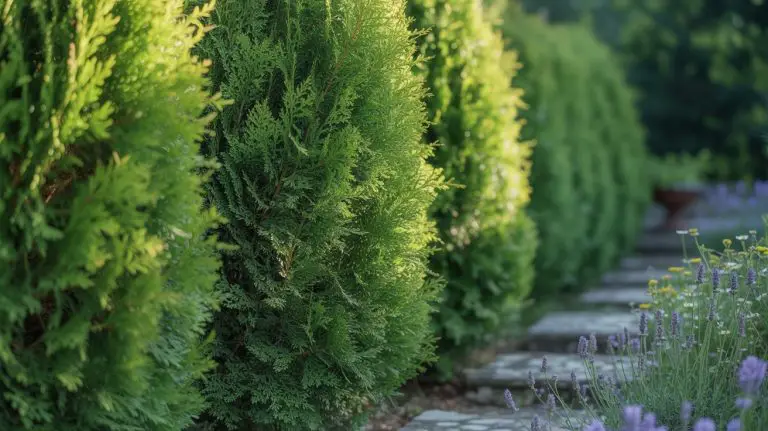
- Arborvitae: Another reliable evergreen.
Perennials and Annuals They Dislike
Fill your flower beds with these vibrant plants that beetles typically ignore:
- Bleeding Heart (Dicentra spectabilis): Its unique flowers and foliage are generally untouched.
- Coreopsis: These cheerful, daisy-like flowers are often passed over.
- Dusty Miller: Its silvery, velvety leaves are unattractive to beetles.
- Geranium (Cranesbill and Zonal): While white geraniums can be a trap, other varieties are generally resistant.
- Hosta: The broad leaves of hostas are usually safe.
- Impatiens: A popular shade annual that beetles don’t favor.
- Lantana: Known for its vibrant, long-lasting blooms and resistance.
- Snapdragon: These tall, colorful annuals are typically left alone.
- Vinca (Periwinkle): Both trailing and upright vinca varieties are resistant.
- Lavender: Its strong scent deters many pests.
- Coneflower (Echinacea): While beetles might nibble, they rarely cause significant damage.
By incorporating these resistant plants, you’re not just protecting them; you’re actively reducing the overall food supply for Japanese beetles in your garden, making it a less inviting place for them to settle down.
Advanced Care and Long-Term Management for Japanese Beetles Ornamentals
Beyond immediate tactics, successful management of Japanese beetles involves a long-term perspective. Think of it as a continuous cycle of observation, prevention, and targeted intervention. This holistic approach ensures your japanese beetles ornamentals remain healthy and vibrant year after year.
Monitoring and Early Detection
The most experienced gardeners know that vigilance is key. Make a habit of walking through your garden regularly, especially during peak beetle season (late June through August). Look for the first signs of damage or the appearance of adult beetles.
Catching an infestation early means you can start hand-picking or applying organic treatments before the population explodes and causes widespread harm. Knowing when to look is half the battle!
Integrated Pest Management (IPM) Philosophy
The best strategy for how to japanese beetles ornamentals is often an Integrated Pest Management (IPM) approach. IPM isn’t about eliminating every single pest; it’s about managing them in the most effective, economical, and environmentally sound way possible. For Japanese beetles, this means:
- Prevention: Choosing resistant plants, maintaining healthy soil, and practicing good garden hygiene.
- Monitoring: Regularly checking your plants for signs of beetles.
- Targeted Intervention: Using methods like hand-picking, organic sprays, or grub control when necessary, always starting with the least toxic options.
- Evaluation: Assessing the effectiveness of your chosen methods and adjusting your strategy as needed.
By combining these different approaches, you create a robust defense system for your garden. It’s a dynamic process, and over time, you’ll learn what works best for your specific garden and local beetle pressure.
Frequently Asked Questions About Japanese Beetles Ornamentals
Let’s tackle some of the common questions I hear from fellow gardeners about these persistent pests.
When do Japanese beetles emerge?
Adult Japanese beetles typically emerge from the soil in late June to early July, depending on your geographic location and local climate. Their active feeding and mating period usually lasts for about six to eight weeks, through August.
Can Japanese beetles kill my plants?
While Japanese beetles can cause significant defoliation and damage, they rarely kill mature, established plants outright. However, severe infestations can weaken plants, making them more susceptible to other stressors like disease or drought, and can certainly ruin the aesthetic appeal of your japanese beetles ornamentals.
Are Japanese beetle traps effective?
Japanese beetle traps are effective at *attracting* and *catching* beetles, sometimes by the thousands. However, they often attract more beetles to your yard than would have been there otherwise, potentially increasing damage to your plants. If used, they should be placed far away from vulnerable plants, at the edge of your property, or even in a neighbor’s yard (with permission) to draw beetles away.
What is milky spore?
Milky spore disease is a natural, biological control agent (a bacterium called Paenibacillus popilliae) that specifically targets Japanese beetle grubs in the soil. When ingested by grubs, it causes a fatal disease. It’s a slow-acting but long-lasting control method, potentially providing years of protection once established in your lawn.
How often should I check my ornamentals for beetles?
During the peak beetle season (late June through August), it’s best to check your susceptible japanese beetles ornamentals daily, especially in the early morning. This allows you to catch new arrivals and remove them before they can lay eggs or cause extensive damage.
Conclusion: Cultivating Resilience in Your Garden
Battling Japanese beetles on your beautiful japanese beetles ornamentals can feel like a never-ending chore, but with the right knowledge and a proactive approach, you absolutely can protect your garden. Remember, it’s about understanding their life cycle, choosing resistant plants, and employing a combination of sustainable strategies.
From the satisfying ritual of hand-picking in the cool morning air to the long-term benefits of healthy soil and companion planting, every action you take contributes to a more resilient garden. Don’t be discouraged by these shiny green pests; instead, empower yourself with these practical tips and expert advice.
Your garden is a place of beauty and joy, and by implementing these japanese beetles ornamentals care guide practices, you’ll ensure it remains so. Keep observing, keep learning, and most importantly, keep enjoying the process of growing. Go forth and cultivate a vibrant, beetle-resistant sanctuary!

- Grass Vine Weed – Your Expert Guide To Identification, Prevention, And - January 8, 2026
- Cutworms Seedlings – Protect Your Young Plants From Devastating Damage - January 8, 2026
- Colorful Summer Bulb Flowers – Your Essential Guide To Dazzling, - January 8, 2026