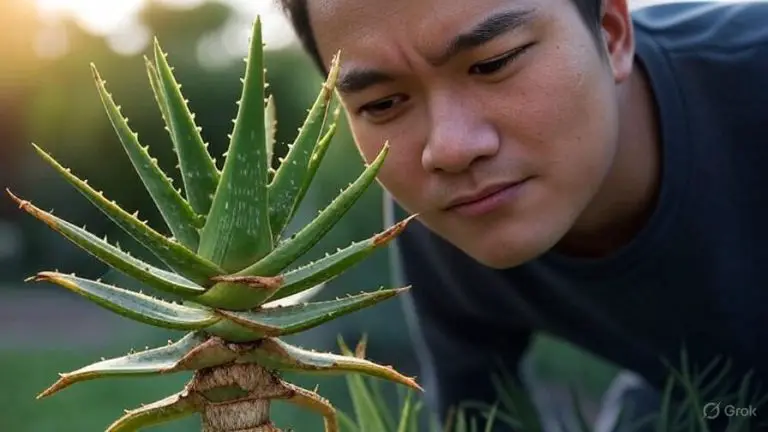
Gardening Tips – Your Ultimate Guide To A Thriving, Sustainable Garden
Have you ever dreamed of stepping into your backyard and plucking ripe tomatoes, surrounded by vibrant blooms and the hum of happy bees? Or perhaps you’ve tried your hand at gardening before, only to be met with wilting plants and stubborn pests, leaving you feeling a little defeated?
You’re not alone. Many aspiring gardeners face these challenges, but what if I told you that creating your dream garden isn’t as daunting as it seems? Imagine a space where your plants flourish, your harvests are abundant, and you feel truly connected to nature, all while nurturing the planet.
This comprehensive guide is packed with expert gardening tips designed to transform your green space, no matter your experience level. We’ll unlock the secrets to healthy plants, sustainable practices, and a truly rewarding gardening journey. Get ready to cultivate confidence and watch your garden dreams blossom!
What's On the Page
- 1 Getting Started: Essential Gardening Tips for Beginners
- 2 Mastering the Basics: Core Gardening Tips for Growth and Health
- 3 Tackling Challenges: Common Problems with Gardening Tips and Solutions
- 4 Embracing Sustainability: Eco-Friendly Gardening Tips for a Greener Planet
- 5 Beyond the Basics: Advanced Gardening Tips for Experienced Growers
- 6 The Wonderful Benefits of Gardening: More Than Just Plants
- 7 Frequently Asked Questions About Gardening Tips
- 8 Conclusion: Your Garden Awaits!
Getting Started: Essential Gardening Tips for Beginners
Every magnificent garden begins with a few thoughtful first steps. Don’t worry if you feel overwhelmed; these foundational gardening tips are designed to set you up for success from day one. Think of this as your personal “how to gardening tips” starter kit, guiding you through the initial decisions that make all the difference.
Know Your Space: Sun, Shade, and Soil
Before you dig, take a moment to observe your garden. How much sun does it get throughout the day? Most vegetables and many flowers need at least 6-8 hours of direct sunlight. Pay attention to shady spots too, as some plants thrive there.

🌿 The Companion Planting & Gardening Book (eBook)
Bigger harvests, fewer pests — natural pairings & simple layouts. $2.40
Get – $2.40
🪴 The Pest-Free Indoor Garden (eBook)
DIY sprays & soil tips for bug-free houseplants. $1.99
Get – $1.99Understanding your soil is equally crucial. Is it sandy, clay, or something in between? A simple soil test can reveal its composition and nutrient levels. This knowledge is fundamental for a healthy garden, forming the basis of all good gardening tips.
Choosing the Right Plants for Your Climate
One of the easiest ways to ensure success is to select plants that are well-suited to your local climate and growing zone. Research your USDA hardiness zone or local equivalent. This helps you pick plants that can naturally withstand your region’s temperatures and growing conditions.
For beginners, focus on resilient, low-maintenance varieties. Don’t worry—these flowers and vegetables are perfect for beginners! Think marigolds, zinnias, bush beans, or cherry tomatoes. Starting with easy-to-grow plants builds confidence and makes the process enjoyable.
The Magic of Good Soil: A Foundation for Success
Your soil isn’t just dirt; it’s a living ecosystem. Healthy soil is the bedrock of a thriving garden. Most plants prefer well-draining, nutrient-rich soil.
To improve your soil, incorporate plenty of organic matter like compost or aged manure. This enhances drainage in clay soils and improves water retention in sandy soils, while also providing essential nutrients. It’s one of the most impactful gardening tips you’ll ever receive, directly impacting your plants’ health.
Mastering the Basics: Core Gardening Tips for Growth and Health
Once your garden is established, consistent and thoughtful care is key to keeping it flourishing. These gardening tips focus on the daily and weekly practices that ensure your plants grow strong, vibrant, and productive. Think of these as the “gardening tips best practices” for daily maintenance.
Water Wisely: The Art of Hydration
Watering correctly is more critical than you might think. Deep, infrequent watering is generally better than shallow, frequent watering. This encourages roots to grow deeper, making plants more resilient to dry spells.
Water early in the morning to minimize evaporation and allow foliage to dry before nightfall, which helps prevent fungal diseases. Feel the soil an inch or two down; if it’s dry, it’s time to water. This mindful approach is a cornerstone of any effective gardening tips care guide.
Nourishing Your Plants: Feeding Fundamentals
Just like us, plants need food to grow! While good soil provides a base, supplemental feeding can boost growth and yield, especially for hungry vegetable plants.
Organic options like compost tea, fish emulsion, or balanced organic fertilizers work wonders. Always follow package directions and avoid over-fertilizing, which can burn plants. Remember, a little goes a long way in providing the right nourishment.
Pruning for Power: Shaping for Success
Pruning might seem intimidating, but it’s a vital practice for many plants. It encourages bushier growth, better air circulation, and often, more flowers or fruit.
Remove any dead, diseased, or damaged branches as soon as you spot them. For flowering plants, deadhead spent blooms to encourage new flowers. For fruiting plants, strategic pruning can direct energy into fruit production. A good pair of sharp, clean pruners is your best friend here.
Tackling Challenges: Common Problems with Gardening Tips and Solutions
Every gardener, from novice to expert, encounters hurdles. Pests, diseases, and unpredictable weather are just part of the journey. The good news is that most common problems with gardening tips have straightforward, effective solutions. Don’t let these setbacks discourage you; they’re opportunities to learn and grow!
Pest Patrol: Organic Solutions for Unwanted Visitors
Pests are inevitable, but chemical sprays don’t have to be your first line of defense. Start by regularly inspecting your plants for signs of trouble. Early detection is key!
For minor infestations, hand-picking larger pests, blasting aphids with a strong stream of water, or using insecticidal soap are effective organic methods. Introducing beneficial insects, like ladybugs, can also help keep pest populations in check naturally.
Disease Detectives: Identifying and Treating Plant Ailments
Plant diseases often manifest as spots, discoloration, or wilting. Good air circulation, proper watering, and healthy soil are your best preventative measures. Always choose disease-resistant plant varieties when possible.
If a plant does get sick, promptly remove affected leaves or branches to prevent spread. Ensure your tools are clean to avoid cross-contamination. Sometimes, unfortunately, removing and destroying a heavily infected plant is the best course of action to protect the rest of your garden.
Weathering the Storm: Protecting Your Garden from Extremes
Nature can be unpredictable. Frost, intense heat, or heavy rains can all stress your plants. Be prepared! For unexpected frosts, cover tender plants with blankets or row covers overnight.
During heatwaves, provide shade with shade cloth and ensure consistent watering. Mulching your garden beds is an excellent year-round strategy to regulate soil temperature and conserve moisture, helping plants cope with various weather conditions. These preventative gardening tips can save your harvest.
Embracing Sustainability: Eco-Friendly Gardening Tips for a Greener Planet
Gardening isn’t just about growing beautiful plants; it’s also about nurturing the environment. Adopting sustainable and eco-friendly gardening tips benefits not only your garden but also the wider ecosystem. Let’s explore how to make your garden a haven for nature.
Composting: Turning Waste into Garden Gold
Composting is one of the most impactful sustainable gardening tips you can embrace. It transforms kitchen scraps and yard waste into rich, dark compost – a fantastic soil amendment that improves soil structure, water retention, and nutrient availability.
Start a simple compost pile or bin. Layer “greens” (nitrogen-rich like fruit/veg scraps, grass clippings) with “browns” (carbon-rich like dry leaves, shredded paper). Turn it regularly, keep it moist, and soon you’ll have free, nutrient-dense fertilizer for your garden.
Water Conservation: Smart Strategies for Your Garden
Water is a precious resource, and conserving it in your garden is an essential sustainable practice. Drip irrigation systems or soaker hoses deliver water directly to the plant roots, minimizing waste from evaporation or runoff.
Collecting rainwater in rain barrels is another excellent way to provide your plants with chemical-free water while reducing your reliance on municipal supplies. Mulching heavily around plants also significantly reduces water evaporation from the soil surface.
Attracting Beneficials: Nature’s Pest Control
Instead of reaching for pesticides, encourage beneficial insects that prey on garden pests. Planting a diverse array of flowers, especially those with small blooms like dill, cilantro, and cosmos, provides nectar and pollen for pollinators and predatory insects like ladybugs, lacewings, and parasitic wasps.
Creating a welcoming habitat for birds, frogs, and other wildlife can also contribute to natural pest control. A truly sustainable garden thrives in balance with nature.
Beyond the Basics: Advanced Gardening Tips for Experienced Growers
Ready to elevate your gardening game? For those who have mastered the fundamentals, these advanced gardening tips offer ways to maximize your space, extend your harvest, and deepen your understanding of plant relationships. These are the “gardening tips best practices” for taking things to the next level.
Succession Planting: Maximizing Your Harvest
Don’t just plant once! Succession planting involves staggering your plantings of the same crop every few weeks. This ensures a continuous harvest rather than a single, overwhelming bounty.
For example, plant a row of lettuce, then two weeks later plant another. As the first row matures, the second is growing, and so on. This technique is perfect for crops like lettuce, radishes, bush beans, and carrots, ensuring you always have fresh produce.
Companion Planting: Nature’s Perfect Pairings
Companion planting is the art and science of placing specific plants near each other to mutual benefit. Some pairings can deter pests, attract beneficial insects, improve growth, or even enhance flavor.
For instance, planting marigolds near vegetables can repel nematodes and other pests. Basil is said to improve the flavor of tomatoes. Learning these natural synergies is a fascinating and effective way to boost your garden’s health and productivity.
Season Extension: Enjoying Your Garden Longer
Why limit your growing season? Techniques like cold frames, cloches, and low tunnels can protect plants from early frosts and late freezes, allowing you to start earlier and harvest later.
For hardy greens like spinach and kale, a simple row cover can extend their season well into winter. These tools effectively create microclimates, offering protection and warmth. Even growing certain crops indoors under grow lights can extend your gardening year significantly.
The Wonderful Benefits of Gardening: More Than Just Plants
While the tangible rewards of fresh produce and beautiful blooms are clear, the benefits of gardening tips extend far beyond the visual. Engaging with your garden offers a wealth of advantages for your health, happiness, and connection to the world around you.
Health and Well-being: A Therapeutic Pursuit
Gardening is an incredible stress reliever. The act of tending to plants, feeling the soil, and being outdoors can significantly reduce anxiety and improve mood. It’s a wonderful form of gentle exercise, combining physical activity with mental focus.
Many gardeners report a deep sense of peace and satisfaction from watching their efforts come to fruition. It’s a truly therapeutic hobby that nurtures both body and mind.
Fresh Produce: From Garden to Table
There’s nothing quite like the taste of a sun-ripened tomato picked straight from your own vine. Growing your own food means access to the freshest, most nutritious produce possible, free from pesticides and picked at its peak flavor.
It also gives you control over what goes into your food and onto your plate, fostering a deeper appreciation for where our food comes from.
Connecting with Nature: A Deeper Understanding
Gardening fosters a profound connection to the natural world. You become intimately aware of the seasons, the cycles of life, and the intricate balance of an ecosystem. Observing pollinators, understanding soil health, and witnessing growth firsthand deepens your appreciation for nature.
It’s a hands-on education in ecology, right in your own backyard, teaching patience, resilience, and the simple joys of creation.
Frequently Asked Questions About Gardening Tips
We’ve covered a lot, but here are some quick answers to common questions new gardeners often have.
How often should I water my plants?
There’s no single answer, as it depends on the plant, soil type, and weather. The best rule of thumb is to feel the soil. If the top inch or two feels dry, it’s likely time to water deeply. Aim for consistency, but adjust based on your plants’ needs and environmental conditions.
What are the easiest plants for beginners?
For vegetables, consider bush beans, radishes, lettuce, cherry tomatoes, and zucchini. For flowers, marigolds, zinnias, cosmos, and sunflowers are generally very forgiving and rewarding. Herbs like basil, mint, and rosemary are also great starting points.
How do I know if my soil is good?
Good soil typically drains well but also retains moisture and nutrients. It should feel crumbly and loose, not hard or sticky. A simple home test involves squeezing a handful of damp soil; if it forms a ball but crumbles easily when poked, it’s generally good. For precise information, a professional soil test is recommended.
When is the best time to start a garden?
For most annuals and vegetables, spring after the last frost date is ideal. However, many cool-season crops can be planted in early spring or late summer for a fall harvest. Perennials, trees, and shrubs are often best planted in spring or fall when temperatures are moderate.
Can I garden without a big yard?
Absolutely! Container gardening, raised beds, vertical gardens, and even windowsills offer fantastic opportunities to grow plants, herbs, and vegetables in small spaces. The key is to choose appropriate plant varieties and ensure they get enough light and water.
Conclusion: Your Garden Awaits!
Gardening is a journey of continuous learning, discovery, and immense reward. From understanding your soil to embracing sustainable practices, these comprehensive gardening tips are your stepping stones to cultivating a vibrant, productive, and truly personal green space.
Remember, every expert gardener was once a beginner. Don’t be afraid to experiment, observe, and learn from both your successes and your challenges. The beauty of gardening lies in its ability to connect us with nature, provide nourishment, and offer a peaceful escape.
So, grab your trowel, roll up your sleeves, and start digging! Your dream garden isn’t just a vision—it’s waiting for you to bring it to life, one thoughtful step at a time. Happy growing!

- Fall Leaves On A Vine – Your Ultimate Guide To Dazzling Autumn - January 8, 2026
- Creeping Vines In Grass – Your Ultimate Guide To Lush, Low-Maintenance - January 8, 2026
- Long Vine Plants – Cultivating Cascading Beauty And Vertical Greenery - January 8, 2026