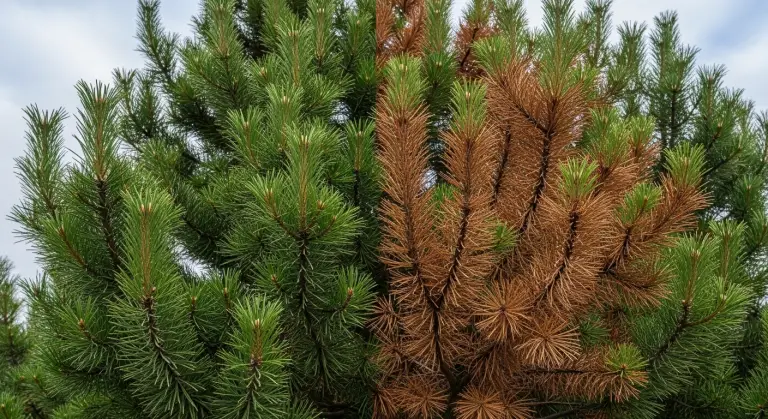
Florida Conifers – Thriving Evergreen Beauty In Your Sunshine State
Ah, Florida! The land of sunshine, sandy beaches, and… conifers? If you’ve ever dreamed of adding the stately elegance of evergreen trees to your Sunshine State landscape, but worried our unique climate wouldn’t allow it, you’re not alone. Many gardeners believe conifers are strictly for colder regions, but I’m here to tell you that’s a delightful misconception! With the right knowledge and a little love, you absolutely can cultivate stunning florida conifers that will thrive and bring year-round beauty to your garden.
In this comprehensive guide, we’re going to dive deep into the world of conifers suitable for Florida. We’ll explore popular varieties, share essential care tips, and tackle common challenges. Consider this your personal florida conifers guide to choosing, planting, and nurturing these magnificent trees. By the end, you’ll feel confident transforming your garden with the enduring charm of Florida’s best evergreen options.
What's On the Page
- 1 Unveiling the Beauty of Florida Conifers: More Than Just Pines!
- 2 Essential Florida Conifers Care Guide: Setting Up for Success
- 3 Sustainable Florida Conifers: Eco-Friendly Practices for a Thriving Landscape
- 4 Common Problems with Florida Conifers & How to Solve Them
- 5 Benefits of Florida Conifers in Your Landscape
- 6 Frequently Asked Questions About Florida Conifers
- 7 Conclusion: Embrace the Evergreen Charm of Florida Conifers
Unveiling the Beauty of Florida Conifers: More Than Just Pines!
When most people think of conifers, their minds often jump straight to towering pines or classic Christmas trees. While pines certainly have their place here, the world of florida conifers is much richer and more diverse than you might imagine. These evergreens offer incredible variety in texture, shape, and size, from slender upright forms perfect for small spaces to broad, majestic specimens that command attention.
They provide year-round greenery, offering a welcome contrast to deciduous plants and a robust backdrop for your flowering shrubs. Beyond aesthetics, they serve vital roles in the landscape, from providing privacy screens and windbreaks to offering shelter for local wildlife. Let’s explore some of the fantastic options available to you.
Native and Adapted Conifers for Florida
Florida’s climate, with its high humidity, sandy soils, and often mild winters, presents specific challenges. However, several conifers are perfectly adapted or native to these conditions, making them excellent choices for your garden.

🌿 The Companion Planting & Gardening Book (eBook)
Bigger harvests, fewer pests — natural pairings & simple layouts. $2.40
Get – $2.40
🪴 The Pest-Free Indoor Garden (eBook)
DIY sprays & soil tips for bug-free houseplants. $1.99
Get – $1.99- Longleaf Pine (Pinus palustris): A majestic native, known for its incredibly long needles and strong, straight trunk. It’s a slow grower but incredibly resilient once established.
- Slash Pine (Pinus elliottii): Another Florida native, faster growing than Longleaf, often used for timber and landscaping. It tolerates a wide range of soil conditions.
- Bald Cypress (Taxodium distichum): While technically deciduous (it loses its needles in winter), it’s a true conifer and a Florida icon. Famous for its “knees” when growing in water, it also thrives in drier garden settings and offers stunning fall color.
- Pond Cypress (Taxodium ascendens): A smaller, more columnar relative of the Bald Cypress, often found in wetlands but adaptable to landscapes.
- Southern Red Cedar (Juniperus virginiana var. silicicola): Not a true cedar but a juniper, this native evergreen is incredibly tough, drought-tolerant, and provides berries for birds. It’s excellent for screens or specimen planting.
- Podocarpus (Podocarpus macrophyllus): Often called Japanese Yew, this isn’t a true conifer in the pine family but is an excellent broadleaf evergreen with a conifer-like appearance. It’s extremely versatile, used for hedges, topiary, or as an upright specimen.
- Deodar Cedar (Cedrus deodara): While not native, certain cultivars can do well in North and Central Florida, especially with good drainage. They offer a beautiful weeping habit.
Choosing native options like the Longleaf Pine or Southern Red Cedar often means less fuss, as they’re naturally suited to the local environment. This is a key aspect of sustainable florida conifers gardening.
Essential Florida Conifers Care Guide: Setting Up for Success
Once you’ve picked your perfect evergreen, giving it the right start is crucial. Think of it like laying the foundation for a strong house. Proper planting and initial care are vital for the long-term health of your florida conifers. Don’t worry—these trees are incredibly rewarding, and a few key steps will ensure they thrive!
Site Selection and Soil Prep for Your Conifers
Most conifers prefer full sun—at least six hours of direct sunlight daily. Good drainage is paramount, especially in Florida’s rainy season. Our sandy soils often drain well, but if you have areas with heavy clay or poor drainage, consider amending the soil or planting in a raised bed.
When preparing the planting hole, dig it twice as wide as the root ball and just as deep. This gives the roots plenty of loose soil to spread into. Amend the excavated soil with organic matter like compost. This improves soil structure, water retention (without making it soggy), and nutrient availability. A good florida conifers guide always emphasizes proper soil preparation.
Planting Your Conifer Like a Pro
- Inspect the Root Ball: Gently remove the conifer from its container. Check for circling roots. If present, carefully tease them apart or make a few vertical cuts with a clean knife to encourage outward growth.
- Position Correctly: Place the conifer in the hole so that the top of the root ball is level with or slightly above the surrounding soil. This is critical for good drainage and preventing rot at the trunk base.
- Backfill and Water: Backfill the hole with your amended soil, gently tamping it down to remove large air pockets. Water thoroughly immediately after planting to settle the soil around the roots.
- Mulch Deeply: Apply a 2-4 inch layer of organic mulch (pine bark, pine straw, or wood chips) around the base of the tree, keeping it a few inches away from the trunk. Mulch helps retain soil moisture, regulate temperature, and suppress weeds.
Watering Wisely: The Key to Florida Conifer Health
The biggest challenge for many gardeners learning how to florida conifers is often watering. During the first year after planting, consistent watering is crucial. The goal is to keep the soil consistently moist, but not waterlogged.
- Frequency: Water deeply 2-3 times a week, especially during dry spells. Check the soil moisture by sticking your finger a few inches down. If it feels dry, it’s time to water.
- Deep Watering: Encourage deep root growth by watering slowly and deeply, allowing the water to penetrate several inches into the soil. Shallow, frequent watering encourages surface roots, making the tree less drought-tolerant in the long run.
- Establishment: Once established (typically after 1-2 years), most native florida conifers will be quite drought-tolerant. However, supplemental watering during extended dry periods, even for established trees, can be beneficial.
Sustainable Florida Conifers: Eco-Friendly Practices for a Thriving Landscape
Embracing eco-friendly florida conifers practices means creating a garden that works with nature, not against it. This approach not only benefits the environment but also leads to healthier, more resilient trees and less work for you in the long run. It’s all about thoughtful inputs and proactive care.
Feeding Your Florida Conifers
While native conifers are adapted to our often nutrient-poor soils, a little boost can go a long way, especially for young or struggling trees. Soil tests are your best friend here! They’ll tell you exactly what your soil needs.
- Slow-Release Fertilizers: If fertilization is needed, opt for a slow-release granular fertilizer formulated for evergreens, applied once in early spring. This provides a steady supply of nutrients over time.
- Organic Approach: For an even more sustainable florida conifers approach, rely on compost and organic mulches. As they break down, they slowly release nutrients and improve soil structure naturally. This also encourages beneficial soil microbes.
- Avoid Over-Fertilizing: Too much fertilizer can burn roots and lead to excessive, weak growth. Always follow package directions carefully.
Pruning for Health and Shape
Most conifers require minimal pruning. The general rule for florida conifers tips on pruning is to do it sparingly and thoughtfully. Prune to:
- Remove dead, damaged, or diseased branches.
- Maintain a desired shape or size, especially for hedges (like Podocarpus).
- Improve air circulation within the canopy.
The best time to prune is typically in late winter or early spring before new growth begins. Avoid removing more than 25-30% of the tree’s canopy in a single season. Remember, once you cut a branch on most conifers, it won’t grow back from that spot.
Integrated Pest Management (IPM) for Florida Conifers Best Practices
Healthy trees are naturally more resistant to pests and diseases. By following good cultural practices – proper planting, watering, and feeding – you’re already implementing the best defense. When issues do arise, adopt an Integrated Pest Management (IPM) approach:
- Monitor Regularly: Regularly inspect your trees for any signs of pests (webbing, discolored needles, sap) or diseases (spots, cankers). Early detection is key.
- Identify the Problem: Know your enemy! Misdiagnosis can lead to ineffective treatments. If unsure, consult your local extension office.
- Cultural Controls: Often, improving watering, pruning out affected branches, or adjusting planting conditions can resolve the issue.
- Biological Controls: Encourage beneficial insects that prey on pests.
- Chemical Controls (Last Resort): If necessary, choose the least toxic option first, targeting only the affected areas.
This holistic approach is central to florida conifers best practices and keeps your garden thriving naturally.
Common Problems with Florida Conifers & How to Solve Them
Even with the best care, sometimes issues pop up. Understanding the common problems with florida conifers can help you identify and address them quickly, preventing minor setbacks from becoming major headaches. Remember, observation is your most powerful tool!
Yellowing or Browning Needles
This is one of the most common complaints and can have several causes:
-
Water Stress (Too Much or Too Little): Both overwatering (leading to root rot) and underwatering can cause needles to yellow or brown. Check soil moisture before watering.
- Solution: Adjust your watering schedule. Ensure good drainage.
-
Nutrient Deficiencies: Lack of essential nutrients, especially nitrogen or iron, can cause yellowing.
- Solution: Conduct a soil test and apply appropriate, slow-release fertilizers if needed.
-
Normal Shedding: Conifers shed older needles periodically, usually those closer to the trunk. This is natural!
- Solution: No action needed, just observe if it’s widespread or only older needles.
Pests and Diseases
While generally hardy, florida conifers can encounter specific pests and diseases:
-
Spider Mites: Tiny pests that thrive in hot, dry conditions. They cause stippling (tiny dots) on needles and fine webbing.
- Solution: Blast with strong water spray, use insecticidal soap, or horticultural oil. Encourage natural predators.
-
Aphids: Small, soft-bodied insects that cluster on new growth, causing distortion and sticky honeydew.
- Solution: Similar to spider mites: water spray, insecticidal soap.
-
Scale Insects: Appear as small bumps on branches and needles. They suck sap, weakening the tree.
- Solution: Horticultural oil applied during dormant or crawler stages. Prune heavily infested branches.
-
Root Rot: Caused by overly wet soil and poor drainage, leading to wilting, yellowing, and eventually tree death.
- Solution: Improve drainage, adjust watering. Prevention is key!
-
Cankers: Sunken, discolored lesions on branches or trunks, often caused by fungal pathogens, especially after injury.
- Solution: Prune out affected branches well below the canker, sterilizing tools between cuts.
Always identify the specific problem before applying any treatment. Your local agricultural extension office is an invaluable resource for diagnosis and treatment recommendations for florida conifers tips.
Benefits of Florida Conifers in Your Landscape
Beyond their aesthetic appeal, integrating florida conifers into your garden offers a wealth of practical and environmental advantages. These long-lived trees truly are a gift to any landscape, providing structure and interest through every season.
Year-Round Beauty and Structure
One of the most immediate benefits of florida conifers is their evergreen nature. While deciduous trees shed their leaves, conifers maintain their lush foliage, providing consistent color and texture throughout the year. This is especially valuable in winter, when many other plants are dormant, giving your garden a sense of life and vibrancy.
Their varied forms – from columnar to pyramidal to weeping – also add architectural interest and focal points to your landscape design. They can define spaces, create visual lines, or simply stand as magnificent specimens.
Privacy, Windbreaks, and Noise Reduction
Need a little more seclusion? Fast-growing conifers like Slash Pines or the dense foliage of Podocarpus make excellent natural privacy screens. Planted in a row, they can quickly block unsightly views and create a serene, private oasis.
Their sturdy branches and dense needles also act as effective windbreaks, protecting more delicate plants and even your home from strong gusts. This can be particularly beneficial in coastal or open areas of Florida. Furthermore, their dense structure helps to absorb and deflect sound, contributing to a quieter, more peaceful garden environment.
Habitat for Wildlife
Many florida conifers, especially native species, are vital components of local ecosystems. They provide shelter, nesting sites, and food sources for a variety of wildlife. Birds love to build nests in the dense branches of pines and junipers, and their cones and berries offer sustenance.
By planting conifers, you’re not just beautifying your garden; you’re contributing to local biodiversity and creating a welcoming haven for Florida’s fascinating creatures. This aligns perfectly with eco-friendly florida conifers gardening principles.
Low Maintenance Once Established
While they require diligent care during establishment, many native and well-adapted florida conifers are remarkably low-maintenance once they’ve settled in. They are often drought-tolerant, require minimal pruning, and are generally resistant to many common pests and diseases when healthy.
This makes them an excellent choice for gardeners seeking long-term beauty without constant fuss, allowing you more time to simply enjoy your thriving evergreen landscape.
Frequently Asked Questions About Florida Conifers
Let’s address some of the most common questions I hear from fellow gardeners about growing conifers in Florida.
Can all types of conifers grow in Florida?
No, not all conifers are suitable for Florida’s unique climate. Many conifers, especially those from colder regions, struggle with our high humidity, sandy soils, and lack of a significant chilling period in winter. It’s crucial to choose varieties specifically adapted to or native to Florida, like the ones discussed in this florida conifers guide.
How often should I fertilize my Florida conifers?
Generally, established native florida conifers require minimal fertilization. For young trees or those showing signs of nutrient deficiency, a light application of a slow-release evergreen fertilizer in early spring, based on a soil test, is usually sufficient. Over-fertilizing can be more harmful than under-fertilizing.
Do Florida conifers need special soil?
While many Florida soils are sandy and drain well, most conifers thrive in well-draining soil rich in organic matter. If your soil is very poor or heavy clay, amending it with compost or planting in raised beds will significantly improve your conifer’s chances of success. Good drainage is non-negotiable.
When is the best time to plant florida conifers?
The best time to plant florida conifers is typically in the cooler months, from late fall through early spring (October to March). This allows the tree to establish its root system before the intense heat and dry spells of summer arrive, reducing transplant shock and promoting healthier growth.
What are the signs of an unhealthy Florida conifer?
Signs of an unhealthy conifer include widespread yellowing or browning needles (not just older, inner needles), stunted growth, needle drop, visible pests (like webbing from spider mites or bumps from scale), cankers on branches, or excessive sap oozing. Regular inspection and prompt action are key to addressing these common problems with florida conifers.
Conclusion: Embrace the Evergreen Charm of Florida Conifers
You see? Growing stunning florida conifers in your garden isn’t just a possibility; it’s a wonderfully rewarding endeavor! By understanding our unique climate, selecting the right species, and following these essential care practices, you can cultivate magnificent evergreens that bring year-round beauty, structure, and life to your landscape.
Remember, patience and observation are your greatest tools. Watch your trees, listen to what they’re telling you, and adjust your care as needed. From the majestic native pines to the versatile Podocarpus, there’s a conifer out there ready to become the evergreen backbone of your Sunshine State garden. So, go forth and grow with confidence, knowing you have all the florida conifers tips you need to succeed!

- When Should I Plant Flowers For Spring – Timing, Tips, And Triumph For - December 14, 2025
- Weed And Grass Killer For Gardens – Your Ultimate Guide To A Pristine, - December 14, 2025
- What To Plant In Fall For Spring – Your Ultimate Guide To A - December 14, 2025