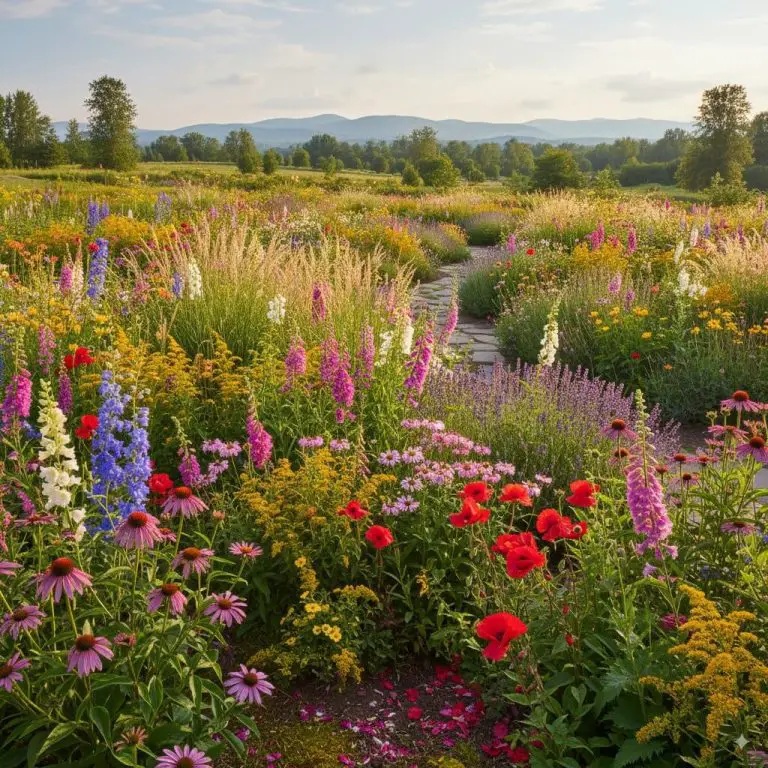
Creeper Flowering Plants – Your Complete Guide To Vertical Blooms
Is that bare wall, plain fence, or empty trellis in your garden staring back at you, just begging for a splash of life and color? So often, we focus on the ground beneath our feet, forgetting about the incredible vertical canvas just waiting to be painted with nature’s brush.
This is where the magic of creeper flowering plants comes in. They are the artists of the vertical world, transforming mundane structures into breathtaking displays of cascading color and lush foliage. They can turn a simple archway into a fragrant portal or a dull fence into a living wall buzzing with pollinators.
Imagine your garden filled with vibrant, climbing blossoms, creating privacy, adding fragrance, and drawing the eye upward to create a sense of depth and wonder. It’s easier to achieve than you might think!
In this complete creeper flowering plants guide, we’ll walk you through everything you need to know. From choosing the perfect plant for your space to mastering the art of care, you’ll soon have the confidence to grow your garden to new heights. Let’s get started!
What's On the Page
- 1 Why Choose Creeper Flowering Plants? Unveiling the Benefits
- 2 Our Top 10 Creeper Flowering Plants for Every Garden
- 3 The Ultimate Creeper Flowering Plants Care Guide
- 4 Solving Common Problems with Creeper Flowering Plants
- 5 Frequently Asked Questions About Creeper Flowering Plants
- 6 Go Forth and Grow Upwards!
Why Choose Creeper Flowering Plants? Unveiling the Benefits
Before we dive into the “how-to,” let’s talk about the “why.” Embracing vertical gardening offers a wealth of advantages that go far beyond just looking pretty. Understanding the benefits of creeper flowering plants can inspire you to find the perfect spot for one (or several!) in your own garden.

🌿 The Companion Planting & Gardening Book (eBook)
Bigger harvests, fewer pests — natural pairings & simple layouts. $2.40
Get – $2.40
🪴 The Pest-Free Indoor Garden (eBook)
DIY sprays & soil tips for bug-free houseplants. $1.99
Get – $1.99- Maximize Your Space: This is the most obvious benefit! In smaller gardens, balconies, or patios, growing up is the only way to go. Creepers allow you to have a lush, flower-filled garden without sacrificing precious ground space.
- Create “Living Walls” and Privacy: A chain-link fence can become a beautiful, dense privacy screen with the help of a flowering creeper. They soften harsh architectural lines and turn stark walls into dynamic, green masterpieces.
- Boost Curb Appeal: A home adorned with a climbing rose or a porch draped in wisteria has an undeniable charm. These plants add character, elegance, and significant visual appeal to any property.
- Attract Pollinators: Many flowering creepers, like Honeysuckle and Trumpet Vine, are magnets for bees, butterflies, and hummingbirds. Planting them is a wonderful way to support local ecosystems, making them fantastic eco-friendly creeper flowering plants.
- Natural Cooling: A wall covered in dense foliage can actually help cool your home in the summer by providing shade and reducing the amount of sunlight hitting the surface. This is a key aspect of sustainable gardening.
Our Top 10 Creeper Flowering Plants for Every Garden
Ready to find your perfect match? This list covers a range of climates, light conditions, and gardener skill levels. Don’t worry—many of these are perfect for beginners!
1. Morning Glory (Ipomoea purpurea)
The quintessential, cheerful climber. Morning Glories are fast-growing annuals that produce trumpet-shaped flowers in shades of blue, purple, pink, and white. They open with the morning sun and close in the afternoon, providing a daily show.
Pro Tip: Soak the seeds overnight before planting to speed up germination. They readily self-seed, so you’ll likely have them return year after year!
2. Bougainvillea (Bougainvillea glabra)
For those in warmer climates, nothing beats the spectacular, paper-like bracts of Bougainvillea. It thrives on sun and a bit of neglect, exploding in vibrant shades of magenta, purple, red, and orange. It’s a true showstopper.
Pro Tip: Bougainvillea blooms best when its roots are slightly constricted. This makes it an excellent candidate for growing in large pots with a trellis.
3. Star Jasmine (Trachelospermum jasminoides)
Don’t let the name fool you; this isn’t a true jasmine, but its fragrance is just as heavenly. Star Jasmine is an evergreen vine with glossy dark green leaves and a profusion of small, white, star-shaped flowers in late spring and early summer. It’s wonderfully versatile and relatively low-maintenance.
Pro Tip: It’s a twining vine, meaning it wraps itself around its support. Provide it with a trellis or wires to guide its growth in the early stages.
4. Clematis (Clematis sp.)
Known as the “Queen of Climbers,” Clematis offers an incredible diversity of flower shapes, sizes, and colors. From huge, showy purple blossoms to delicate, nodding bell-shaped flowers, there’s a Clematis for every taste.
Pro Tip: Clematis has a famous motto: “feet in the shade, head in the sun.” Plant it where the roots will be kept cool by other plants or a layer of mulch, but the vine can grow up into the sunlight.
5. Climbing Rose (Rosa sp.)
For classic, romantic garden charm, nothing compares to a climbing rose. These vigorous growers can be trained over arches, pergolas, and walls, producing an abundance of fragrant blooms. Modern varieties are much more disease-resistant than their ancestors.
Pro Tip: Pruning is key! Prune in late winter or early spring to remove dead wood and encourage the growth of new, flower-producing canes.
6. Trumpet Vine (Campsis radicans)
If you want to attract hummingbirds, this is your plant. Trumpet Vine produces large, trumpet-shaped orange or red flowers all summer long. It’s incredibly tough and drought-tolerant once established, but be warned: it’s a very vigorous grower.
Pro Tip: Plant this one with caution. Its roots can send up suckers, so it’s best grown in an area where it can be contained or given plenty of room to roam.
7. Sweet Pea (Lathyrus odoratus)
The delightful, sweet fragrance of Sweet Peas is unforgettable. These annual climbers produce delicate, ruffled flowers in a rainbow of colors. They are perfect for cutting and bringing indoors to enjoy their scent.
Pro Tip: Sweet Peas are cool-season flowers. Plant them as early as possible in the spring. Regularly picking the flowers (or deadheading spent blooms) encourages the plant to produce more.
8. Passion Flower (Passiflora incarnata)
For a touch of the exotic, look no further than the Passion Flower. Its intricate, fringed flowers are truly otherworldly. Many varieties are native to the Americas and serve as host plants for several butterfly species.
Pro Tip: Give it a sturdy support to climb. While it looks delicate, the vine is quite vigorous and will quickly cover a trellis or fence in a sunny spot.
9. Honeysuckle (Lonicera sp.)
The sweet, nostalgic scent of Honeysuckle drifting on a warm evening is pure bliss. These twining vines produce tubular flowers that are irresistible to hummingbirds and moths. Choose a native variety like Trumpet Honeysuckle (Lonicera sempervirens) to avoid the invasive tendencies of some non-native types.
Pro Tip: Provide good air circulation to prevent powdery mildew, a common issue for some varieties.
10. Creeping Phlox (Phlox subulata)
Not all creepers climb! Creeping Phlox is a ground-hugging perennial that forms a dense mat of foliage. In spring, it’s completely smothered in a blanket of star-shaped flowers in shades of pink, purple, blue, or white. It’s perfect for rock walls, slopes, and garden borders.
Pro Tip: After flowering, shear the plant back by about half. This encourages dense, tidy growth and prevents it from becoming leggy.
The Ultimate Creeper Flowering Plants Care Guide
You’ve picked your plant—now what? Learning how to creeper flowering plants thrive is all about getting the basics right. This creeper flowering plants care guide breaks it down into simple, actionable steps.
Choosing the Right Spot
This is the most critical step. Most flowering creepers need at least six hours of direct sunlight per day to produce abundant blooms. Check your plant’s specific tag for its light requirements. Ensure the soil is well-draining; very few plants enjoy “wet feet,” which can lead to root rot.
Planting Your Creeper: Best Practices
Following these creeper flowering plants best practices will set your new plant up for success.
- Dig a hole that is twice as wide and just as deep as the plant’s root ball.
- Gently tease out any circling roots at the bottom of the pot.
- Place the plant in the hole, ensuring the top of the root ball is level with the surrounding soil.
- Backfill the hole with soil, gently tamping it down to remove air pockets.
- Water deeply and thoroughly to help the roots settle in.
Watering and Feeding Essentials
For the first year, water your creeper regularly to help it establish a strong root system. Once established, many are quite drought-tolerant. Water deeply but infrequently, allowing the soil to dry out slightly between waterings.
Feed with a balanced, all-purpose fertilizer in the early spring. Avoid high-nitrogen fertilizers, which can promote lush green leaves at the expense of flowers.
The Art of Training and Support
Creepers need something to creep on! Install your trellis, wires, or arbor before or during planting. As the vine grows, gently guide its new shoots onto the support. You may need to use soft garden ties or clips to help it along until it can grip on its own.
Pruning for Health and Abundant Blooms
Pruning can feel intimidating, but it’s vital for keeping your creeper healthy and productive. The general rule is to prune spring-flowering vines right after they finish blooming and summer-flowering vines in late winter or early spring. The goal is to remove dead or damaged wood, improve air circulation, and shape the plant.
Solving Common Problems with Creeper Flowering Plants
Even the most experienced gardeners run into issues. Here’s a quick troubleshooting guide for some common problems with creeper flowering plants.
Problem: Lack of Flowers
This is the most frequent complaint! The likely culprits are:
- Not enough sun: Most flowering plants need full sun to bloom well.
- Too much nitrogen: This comes from using high-nitrogen lawn fertilizers nearby. It gives you lots of green leaves but no flowers.
- Improper pruning: You might have accidentally pruned off the wood that produces flower buds.
Problem: Pests and Diseases
Aphids and powdery mildew are common foes. For aphids, a strong blast of water from the hose can often dislodge them. For persistent infestations, insecticidal soap is a great organic option. To prevent powdery mildew, ensure your plant has good air circulation and avoid watering the leaves late in the day.
Problem: Unruly or Invasive Growth
Some creepers, like Trumpet Vine or certain Wisteria, can be aggressive. The key is proactive pruning. Don’t be afraid to cut them back hard each year to keep them in their designated space. Removing suckers that pop up from the roots is also essential for containment.
Frequently Asked Questions About Creeper Flowering Plants
Which creeper flowering plants are best for beginners?
Morning Glory, Sweet Peas, and Star Jasmine are fantastic choices for beginners. They are generally forgiving, easy to grow from seed or starts, and provide beautiful results without a lot of fuss.
How do I get my creeper to climb a brick wall?
Most vines can’t cling to brick on their own. You’ll need to provide a support system. You can install a wooden or wire trellis a few inches away from the wall, or use a system of masonry nails and wires for the vine to climb.
Are any of these plants evergreen?
Yes! In milder climates, Star Jasmine and some varieties of Clematis (like Clematis armandii) are evergreen, providing year-round foliage and structure in the garden.
Can I grow creeper flowering plants in pots?
Absolutely! Many creepers do wonderfully in large containers, which is a great way to control their size. Bougainvillea, Clematis, and Mandevilla are excellent choices for pot culture. Just be sure to provide a sturdy trellis within the pot for support.
Go Forth and Grow Upwards!
There you have it—a complete tour of the wonderful world of creeper flowering plants. From the romantic charm of a climbing rose to the exotic allure of a passion flower, these vertical growers offer endless possibilities to add dimension, color, and life to your garden.
Don’t be intimidated by the thought of pruning or training. Start with one plant, give it what it needs, and watch it transform your space. Following these creeper flowering plants tips will give you the confidence you need to succeed.
Your vertical masterpiece is waiting. Pick a spot, choose a vine, and start growing!

- Green With Flies – Conquer Garden Pests For Lush, Healthy Growth - January 7, 2026
- Red Bug Spray – Your Essential Guide To A Pest-Free Garden - January 7, 2026
- Green And Blue Plants – Crafting Serene Gardens With Stunning Hues - January 7, 2026