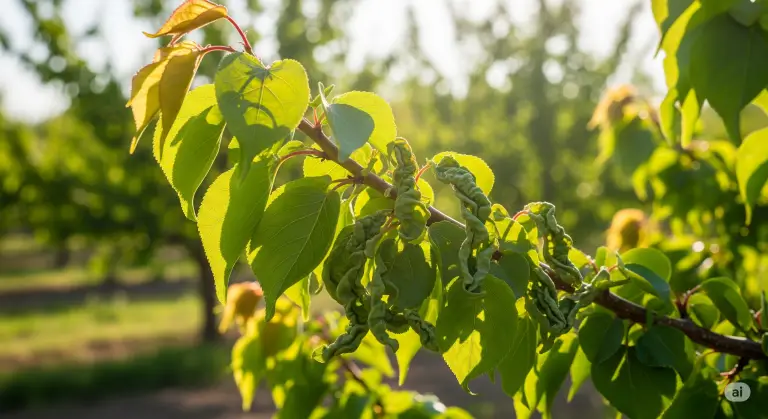
Bugs Eating Plants – Your Ultimate Guide To Identification
There’s nothing quite as disheartening as stepping into your beloved garden, only to find tell-tale chew marks, wilting leaves, or slimy trails left by unwelcome visitors. It’s a common frustration for gardeners everywhere: bugs eating plants. You’ve poured your heart and soul into nurturing your green babies, and seeing them under attack can feel like a personal affront!
Don’t worry, my friend. Every gardener, from seasoned pros to enthusiastic beginners, faces this challenge. But here’s the good news: you don’t have to surrender your precious plants to these tiny invaders. With the right knowledge and a few practical strategies, you can protect your garden and maintain its vibrant health, all while keeping things sustainable and eco-friendly.
In this comprehensive guide, we’re going to dive deep into the world of garden pests. We’ll empower you to identify the common culprits, understand why they’re feasting on your foliage, and equip you with the best prevention and management techniques. You’ll learn how to approach the problem of bugs eating plants with confidence, using methods that are gentle on the environment but tough on pests. Let’s reclaim your garden, naturally!
What's On the Page
- 1 Understanding Why Bugs Are Eating Plants: Friend or Foe?
- 2 Identifying the Culprits: Your Bugs Eating Plants Guide
- 3 Proactive Prevention: Sustainable Bugs Eating Plants Tips
- 4 How to Manage Bugs Eating Plants: Best Practices for an Organic Garden
- 5 Your Bugs Eating Plants Care Guide: Long-Term Strategies
- 6 Frequently Asked Questions About Bugs Eating Plants
- 7 Conclusion
Understanding Why Bugs Are Eating Plants: Friend or Foe?
Before we declare war on every creepy crawly, it’s crucial to understand that not all insects are villains. Your garden is a complex ecosystem, and many bugs play vital roles. The key is distinguishing between the beneficial insects that help your garden thrive and the destructive pests that cause common problems with bugs eating plants.
Not All Bugs Are Bad: The Benefits of Bugs in Your Garden
It might sound counterintuitive, but some of the best allies in your fight against pests are other bugs! These beneficial insects can be predators, parasitoids, or pollinators, all contributing to a balanced, healthy garden. Recognizing them is a crucial first step in a sustainable approach to managing bugs eating plants.

🌿 The Companion Planting & Gardening Book (eBook)
Bigger harvests, fewer pests — natural pairings & simple layouts. $2.40
Get – $2.40
🪴 The Pest-Free Indoor Garden (eBook)
DIY sprays & soil tips for bug-free houseplants. $1.99
Get – $1.99- Pollinators: Bees, butterflies, and certain flies are essential for fruit and vegetable production. Without them, many of our favorite plants wouldn’t yield a harvest.
- Predators: Ladybugs, lacewings, hoverfly larvae, and praying mantises are natural predators that feast on aphids, mites, and other soft-bodied pests. They are your garden’s tiny guardians.
- Decomposers: Earthworms, millipedes, and certain beetles break down organic matter, enriching your soil and making nutrients available to your plants.
Embracing these allies is one of the most effective sustainable bugs eating plants strategies you can adopt.
Common Problems with Bugs Eating Plants
When you see significant damage, it’s usually one of a few common types of pests at work. These are the ones we typically need to manage. The problems they cause range from minor cosmetic damage to complete plant destruction if left unchecked.
- Chewing Damage: Irregular holes in leaves, ragged edges, or completely devoured foliage.
- Sucking Damage: Stippling (tiny white or yellow dots), curled leaves, stunted growth, sticky residue (honeydew), or sooty mold.
- Root Damage: Wilting, yellowing, or overall decline in plant health despite adequate water and nutrients.
- Gall Formation: Unusual swellings or growths on leaves, stems, or flowers.
Understanding these signs is the first step in creating an effective bugs eating plants guide for your garden.
Identifying the Culprits: Your Bugs Eating Plants Guide
Knowing what is eating your plants is half the battle. Different pests require different approaches. Let’s look at the most common garden invaders and the tell-tale signs they leave behind.
Sucking Pests: Aphids, Spider Mites, and Mealybugs
These tiny pests pierce plant tissues and suck out vital sap, weakening your plants and often leaving behind sticky residue.
- Aphids: Small, pear-shaped insects, often green, black, yellow, or pink. They cluster on new growth, leaf undersides, and flower buds. Damage includes distorted leaves, stunted growth, and sticky honeydew, which can lead to sooty mold.
- Spider Mites: Barely visible to the naked eye, these arachnids cause tiny yellow or white stippling on leaves. Severe infestations create fine webbing, especially on leaf undersides and in leaf axils. They thrive in hot, dry conditions.
- Mealybugs: White, cottony-looking insects that form colonies in leaf axils, stem joints, and on leaf undersides. They also produce honeydew and can cause yellowing and wilting.
Chewing Pests: Caterpillars, Slugs, Snails, and Beetles
These pests are responsible for the most obvious damage: holes and missing plant parts.
- Caterpillars: Larvae of moths and butterflies, they come in many sizes and colors. They chew large, irregular holes in leaves, sometimes devouring entire leaves or even young plants. Look for their droppings (frass) nearby.
- Slugs and Snails: Mollusks that leave shiny, silvery trails. They chew large, irregular holes in leaves and fruits, especially on tender young plants. They are most active at night or on damp, overcast days.
- Beetles: A diverse group, but some are serious pests (e.g., Japanese beetles, Colorado potato beetles). They can skeletonize leaves, chew holes, or damage flowers and fruits.
Root Feeders: Grubs and Wireworms
These pests live underground, making their damage harder to spot until plants start to decline.
- Grubs: C-shaped larvae of beetles, often found in soil, especially in lawns and garden beds. They chew on plant roots, causing wilting, yellowing, and stunted growth. Plants can often be easily pulled from the soil due to root damage.
- Wireworms: Slender, hard-bodied larvae of click beetles. They bore into seeds, plant stems, and roots, causing plants to wilt, stunt, or die.
Other Annoyances: Leaf Miners, Thrips, and Scale
These pests present unique challenges and damage patterns.
- Leaf Miners: Larvae of flies, moths, or beetles that tunnel between the upper and lower surfaces of leaves, creating distinctive winding trails or “mines.”
- Thrips: Tiny, slender insects that scrape plant surfaces and suck out sap. Damage appears as silvery streaks, distorted growth, and tiny black droppings.
- Scale Insects: Immobile, shell-like insects that attach to stems and leaves, sucking sap. They often go unnoticed until populations are large, causing yellowing and weakening of plants.
Once you’ve identified your foe, you can choose the most effective and eco-friendly bugs eating plants solution.
Proactive Prevention: Sustainable Bugs Eating Plants Tips
The best defense against pests is a good offense! By creating a healthy, resilient garden ecosystem, you can significantly reduce the likelihood of severe pest infestations. These bugs eating plants tips focus on long-term health rather than reactive treatments.
Healthy Soil, Healthy Plants
A strong plant is better equipped to fend off pests. Healthy soil is the foundation of plant vigor. Enriching your soil supports robust root systems and overall plant health.
- Compost Regularly: Incorporate plenty of organic matter. Compost improves soil structure, water retention, and nutrient availability, making plants more resilient.
- Avoid Over-Fertilizing: Excessive nitrogen can lead to lush, tender new growth that is particularly attractive to sucking pests like aphids.
- Maintain Proper pH: Ensure your soil pH is suitable for the plants you’re growing. Soil test kits are readily available and provide valuable insights.
Companion Planting: Nature’s Bodyguards
Strategic planting can naturally deter pests or attract their predators. This is a cornerstone of sustainable bugs eating plants management.
- Marigolds: Known to repel nematodes and some other pests.
- Nasturtiums: Act as a “trap crop” for aphids, drawing them away from more valuable plants.
- Garlic and Onions: Their strong scent can deter a range of pests, including aphids and slugs.
- Herbs: Many herbs like basil, rosemary, and mint repel certain insects.
Crop Rotation: Breaking the Pest Cycle
Planting the same crops in the same spot year after year can lead to a buildup of specific pests and diseases in the soil. Rotating your crops disrupts these cycles.
Move plant families to different areas of your garden each season. This deprives soil-dwelling pests (like wireworms or grubs specific to certain crops) of their food source, forcing them to move on or die off. This is a vital practice in any comprehensive bugs eating plants guide.
Regular Garden Maintenance: Your First Line of Defense
A tidy garden is a less inviting home for many pests. Simple, consistent care can prevent minor issues from becoming major infestations.
- Weed Control: Weeds compete with your plants for nutrients and can also harbor pests. Keep beds clear.
- Proper Watering: Water deeply and less frequently to encourage strong root growth. Avoid overhead watering late in the day, which can promote fungal diseases and create humid conditions favored by some pests.
- Pruning and Deadheading: Remove dead, diseased, or damaged plant material. This improves air circulation and removes potential hiding spots or breeding grounds for pests.
Inviting Beneficial Insects: Eco-Friendly Bugs Eating Plants Strategy
Encouraging natural predators is one of the most effective and truly eco-friendly bugs eating plants approaches. Provide them with food, water, and shelter, and they’ll do much of the pest control for you.
- Plant Nectar-Rich Flowers: Flowers like dill, fennel, cosmos, sunflowers, and yarrow provide nectar and pollen for adult beneficial insects (e.g., ladybugs, lacewings, parasitic wasps).
- Provide Water: A shallow bird bath or even a saucer with pebbles for landing spots can attract beneficials.
- Create Habitat: Leave a small, undisturbed area in your garden with native plants or a “bug hotel” to provide shelter for overwintering beneficials.
How to Manage Bugs Eating Plants: Best Practices for an Organic Garden
Despite your best preventive efforts, sometimes pests still show up. When they do, a measured, organic approach is key. Here’s how to bugs eating plants without resorting to harsh chemicals.
Manual Removal: Hands-On Solutions
For smaller infestations, your own two hands (or a strong stream of water) are often the best tools.
- Hand-Picking: For larger pests like caterpillars, slugs, snails, and beetles, simply pick them off your plants and drop them into a bucket of soapy water. Do this in the early morning or evening when many pests are most active.
- Hosing Off: A strong spray of water can dislodge aphids, spider mites, and other soft-bodied pests from leaves. Repeat every few days until the population is under control. Focus on the undersides of leaves.
Traps and Barriers: Physical Protection
Creating physical obstacles or enticing pests into traps can be very effective and non-toxic.
- Row Covers: Lightweight fabric covers can protect young plants from flying insects like cabbage moths and cucumber beetles. Ensure they are well-anchored and allow for pollination once plants flower.
- Sticky Traps: Yellow sticky traps can catch flying pests like whiteflies, thrips, and fungus gnats. Place them near affected plants.
- Slug and Snail Traps: Shallow dishes of beer or yeast water buried to soil level can lure and drown slugs and snails. Copper tape around raised beds or pots can also deter them.
Organic Sprays: Targeted Treatments
When infestations are larger, organic sprays offer a targeted approach. Always remember to test any spray on a small part of the plant first to ensure there’s no adverse reaction, and apply in the evening to protect beneficial insects.
- Neem Oil: A natural plant extract that acts as an insect growth regulator and antifeedant. It’s effective against a wide range of pests, including aphids, spider mites, whiteflies, and mealybugs. Mix according to package directions and spray thoroughly, especially on leaf undersides.
- Insecticidal Soap: A mixture of potassium salts of fatty acids. It suffocates and dehydrates soft-bodied insects like aphids, mites, and thrips. It has low residual activity, so direct contact with the pest is necessary.
- Horticultural Oils: Lighter petroleum or vegetable-based oils that smother insects and their eggs. Used during dormant periods for overwintering pests or in lighter concentrations during the growing season for active infestations.
- Homemade Garlic or Pepper Sprays: While less scientifically proven, some gardeners find success with pungent sprays made from garlic or hot peppers, which can deter some chewing insects. Be cautious, as these can sometimes irritate plants.
These are crucial bugs eating plants best practices for maintaining an organic garden.
Biological Controls: Letting Nature Do the Work
Introducing beneficial insects to your garden is a powerful way to manage pests naturally, especially for severe or recurring issues. You can purchase these insects online or from garden centers.
- Ladybugs: Excellent predators of aphids, mealybugs, and spider mites. Release them in the evening when temperatures are cooler.
- Lacewings: Their larvae are voracious predators of aphids, thrips, and whiteflies.
- Nematodes: Specific types of beneficial nematodes can be applied to the soil to control grubs, wireworms, and other soil-dwelling pests.
This method truly embodies an eco-friendly bugs eating plants philosophy.
Your Bugs Eating Plants Care Guide: Long-Term Strategies
Successful pest management isn’t a one-time fix; it’s an ongoing journey of observation, learning, and adaptation. By integrating these long-term strategies, you’ll develop a resilient garden that can naturally withstand pest pressure.
Monitoring is Key: Early Detection Saves the Day
The most effective pest control starts with vigilance. Regular inspections allow you to catch problems when they are small and much easier to manage.
- Daily Quick Scans: Spend a few minutes each day walking through your garden, looking for any unusual signs.
- Weekly Thorough Inspections: Dedicate more time once a week to inspect leaf undersides, new growth, and flower buds. Look for pests themselves, eggs, honeydew, or damage.
- Know Your Plants: Familiarize yourself with how your plants look when they are healthy so you can quickly spot deviations.
Early detection means you can often use simple methods like hand-picking or a strong water spray before an infestation takes hold, preventing the need for more intensive treatments.
Understanding Your Ecosystem: Balance is Best
Resist the urge to have a completely “pest-free” garden. A truly healthy garden ecosystem includes a diversity of life, both good and bad. The goal isn’t eradication, but balance.
When you see a few aphids, it might mean ladybugs are on their way. A small pest population provides a food source for beneficial insects, encouraging them to stay and patrol your garden. This natural predator-prey dynamic is what makes an organic garden thrive.
Seasonal Adjustments: Adapting Your Approach
Pest pressure changes throughout the year. What works in spring might not be effective in the heat of summer or the cool of autumn. Your bugs eating plants care guide should be flexible.
- Spring: Focus on prevention for emerging pests, good cultural practices, and attracting beneficials.
- Summer: Be vigilant for heat-loving pests like spider mites. Use organic sprays as needed, but always in the evening to minimize harm to beneficials.
- Autumn: Clean up garden debris to remove overwintering sites for pests and diseases. Prepare soil for next season.
By understanding these cycles, you can anticipate problems and adjust your strategies accordingly, making your pest management efforts more efficient and effective.
Frequently Asked Questions About Bugs Eating Plants
Let’s tackle some common questions you might have as you navigate the world of garden pest management.
Q1: When should I worry about bugs eating my plants?
You should start worrying and taking action when you see significant, ongoing damage that threatens the health or yield of your plant. A few chewed leaves are often normal and don’t require intervention. However, if you see large populations of pests, rapid defoliation, stunted growth, or signs of disease transmission, it’s time to act.
Q2: Are small holes in leaves always a sign of a major problem?
Not necessarily. Small, isolated holes can be from a passing insect that did minimal damage, or even from environmental factors like hail. It’s when the holes become numerous, widespread, or accompanied by other signs like wilting, yellowing, or visible pests that you should investigate further.
Q3: Can I use dish soap as an insecticidal spray?
While dish soap can sometimes kill soft-bodied insects by breaking down their protective outer layer, it’s not recommended. Dish soaps contain detergents, degreasers, and fragrances that can strip a plant’s waxy cuticle, leading to leaf burn or other damage. Always opt for specifically formulated insecticidal soaps, which are safer for your plants.
Q4: How often should I inspect my plants for pests?
Ideally, a quick visual scan daily or every other day is great, especially for high-value plants or during peak pest seasons. A more thorough, hands-on inspection, checking leaf undersides and new growth, should be done at least once a week. Consistency is key for early detection!
Q5: What’s the most eco-friendly way to deal with a severe infestation?
For severe infestations, the most eco-friendly approach is a combination of methods: first, manual removal (hand-picking, hosing off), then targeted organic sprays (like neem oil or insecticidal soap applied according to directions), and finally, introducing beneficial insects if the problem persists. Always prioritize methods that minimize harm to the wider ecosystem.
Conclusion
Dealing with bugs eating plants is an inevitable part of gardening, but it doesn’t have to be a source of constant frustration. By adopting a mindset of observation, understanding, and sustainable action, you can transform these challenges into opportunities for learning and growth.
Remember, your garden is a living, breathing ecosystem, and balance is key. By fostering healthy soil, inviting beneficial insects, and employing thoughtful, eco-friendly management techniques, you’re not just fighting pests—you’re cultivating a thriving, resilient haven for both your plants and local wildlife.
So, the next time you spot a chewed leaf, take a deep breath. You now have the knowledge and tools to identify the problem and choose the best course of action. Embrace the journey, trust in nature’s wisdom, and watch your garden flourish. Go forth and grow, knowing you’re building a beautiful, balanced, and pest-resilient paradise!

- Bees And Hornets Identification – A Gardener’S Guide To Peaceful - January 7, 2026
- Little Yellow Flower Plant – Your Ultimate Guide To Brightening Your - January 7, 2026
- Identify Bees Wasps Hornets – Your Essential Guide To Safe Garden - January 7, 2026